
VIEWING ROOM
UNIQUE X FAIR - ART WEEK MEXICO 2026, 5-8 FEB 2026
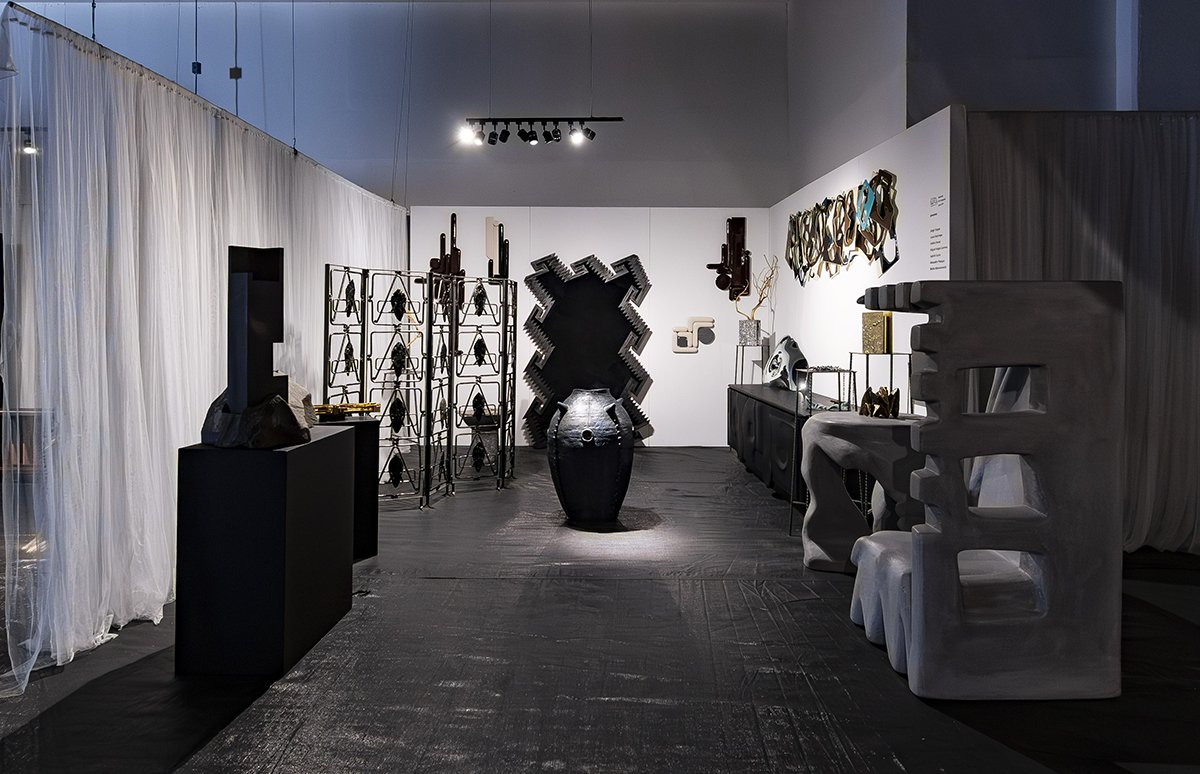
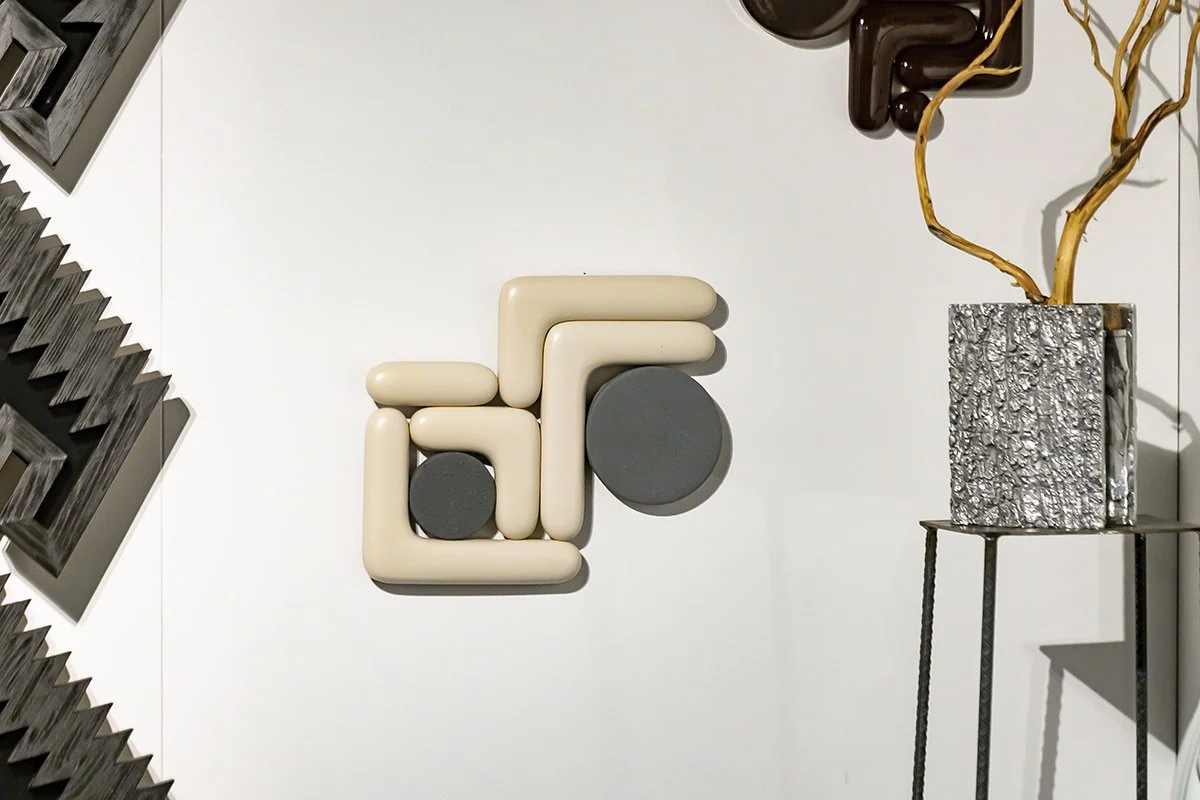
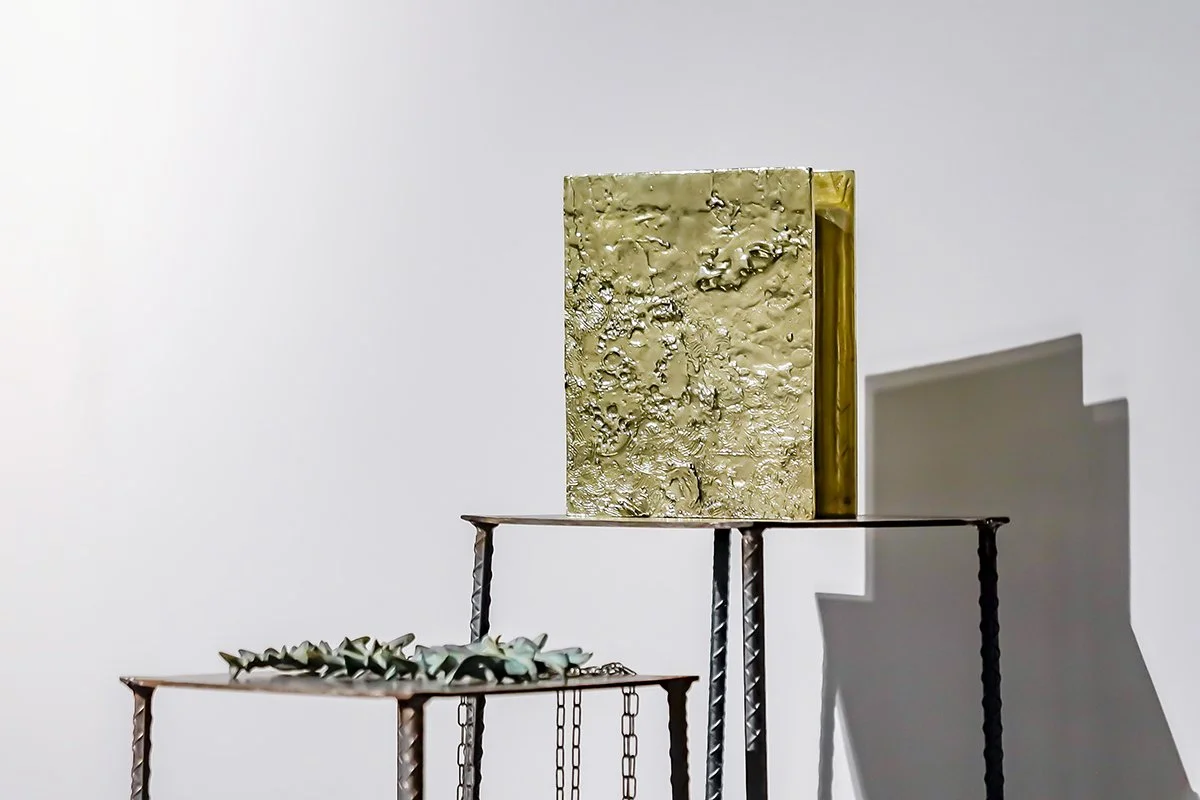
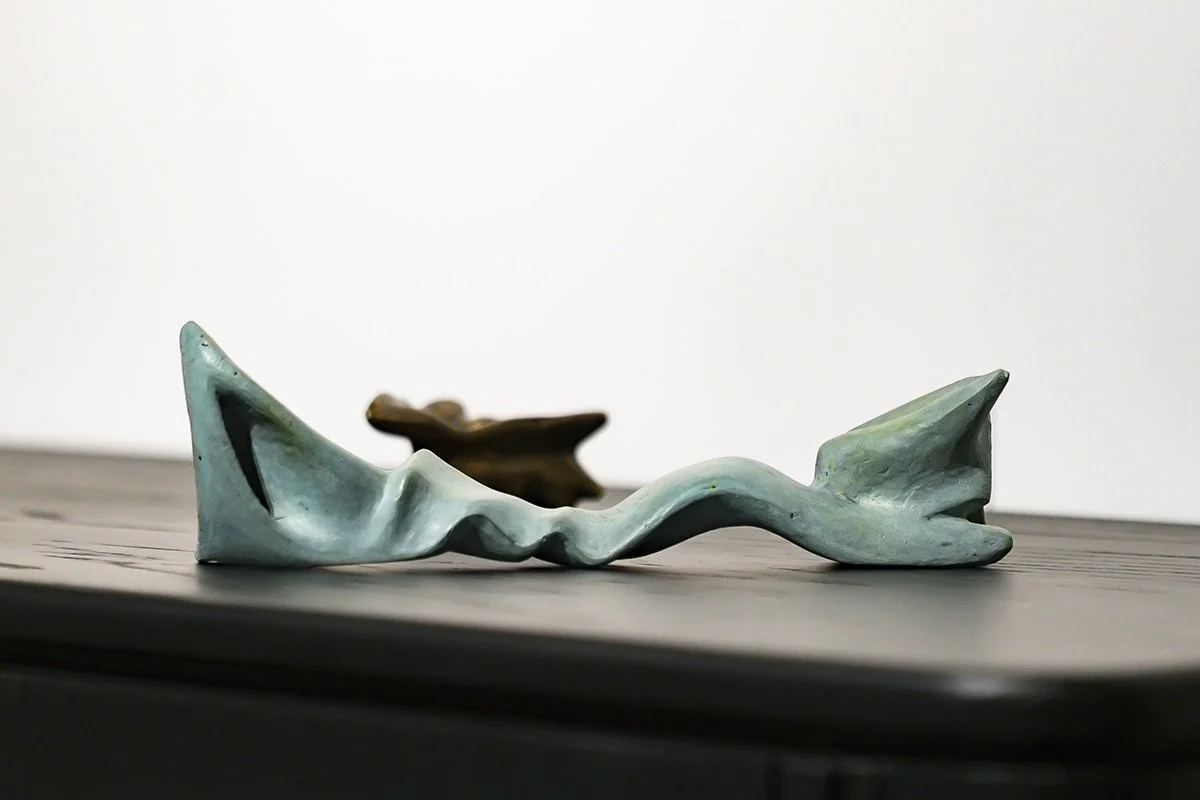
BOOTH PHOTOGRAPHY: by David Cruz
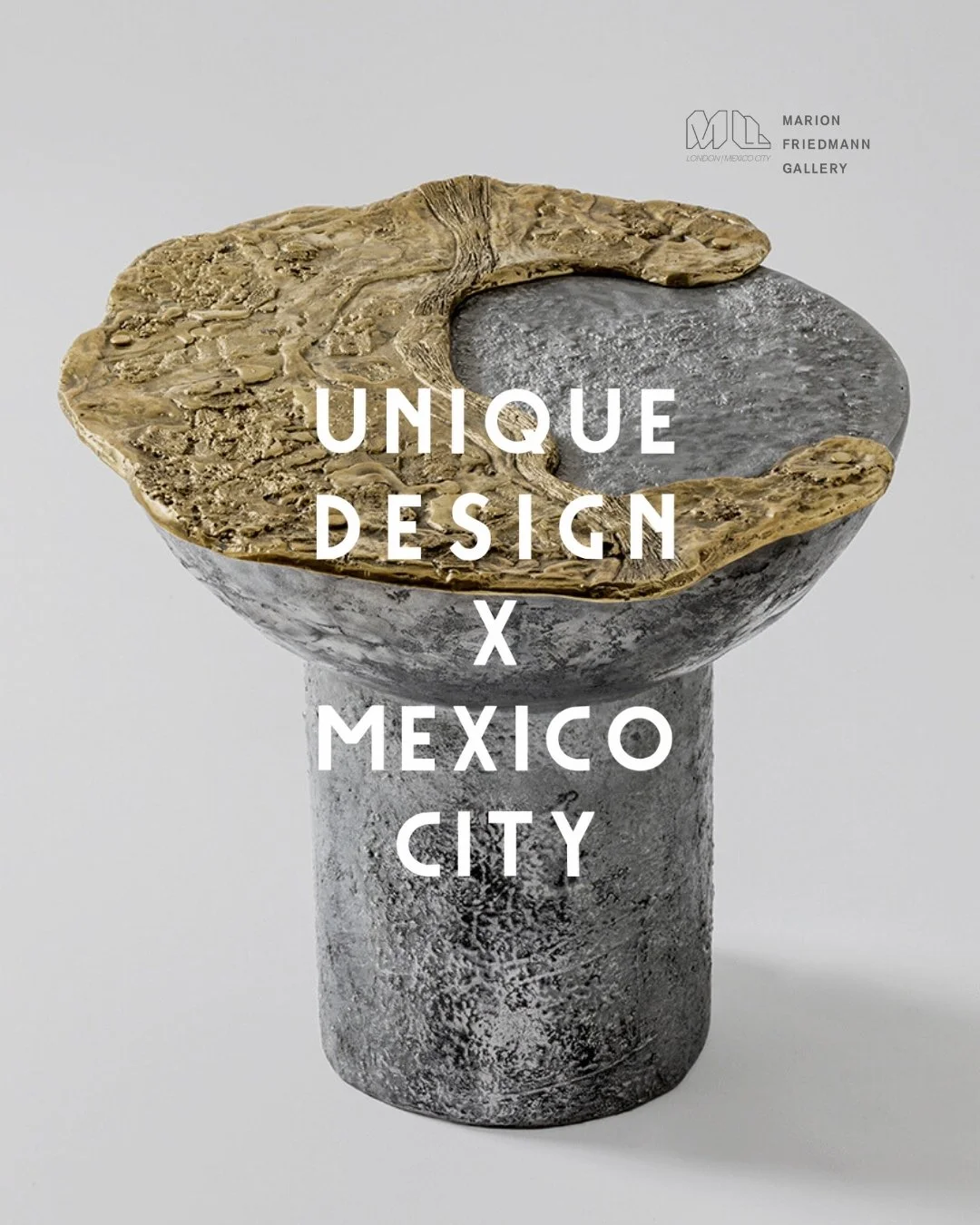
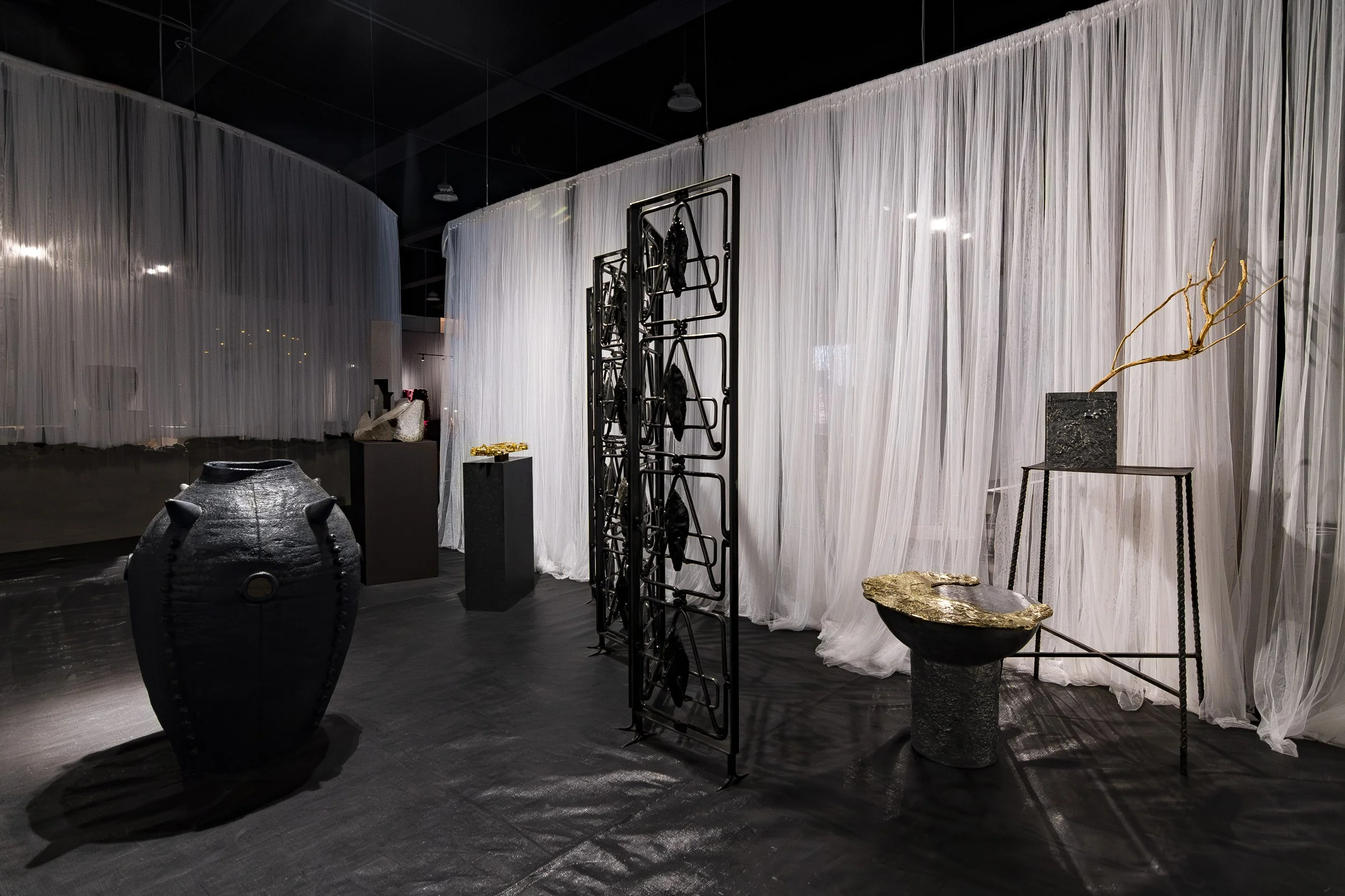
For our second participation at Unique Design X Fair, a boutique fair for collectible design now in its third edition in Mexico City, we presented fresh works by our core gallery artists: Jorge Yázpik, Emilio Flores, Sabino Guisu, Luisa Restrepo, Miguel Ángel Carrera, Alessandra Pasqua (Wanderart), and Misha Milovanovitch.
Dates: 5–8 February 2026
Location: Expo Reforma, Avenida Morelos 67, Juárez, Cuauhtémoc, Mexico City
FEATURED ARTISTS AND WORKS
JORGE YÁZPIK - sculpture
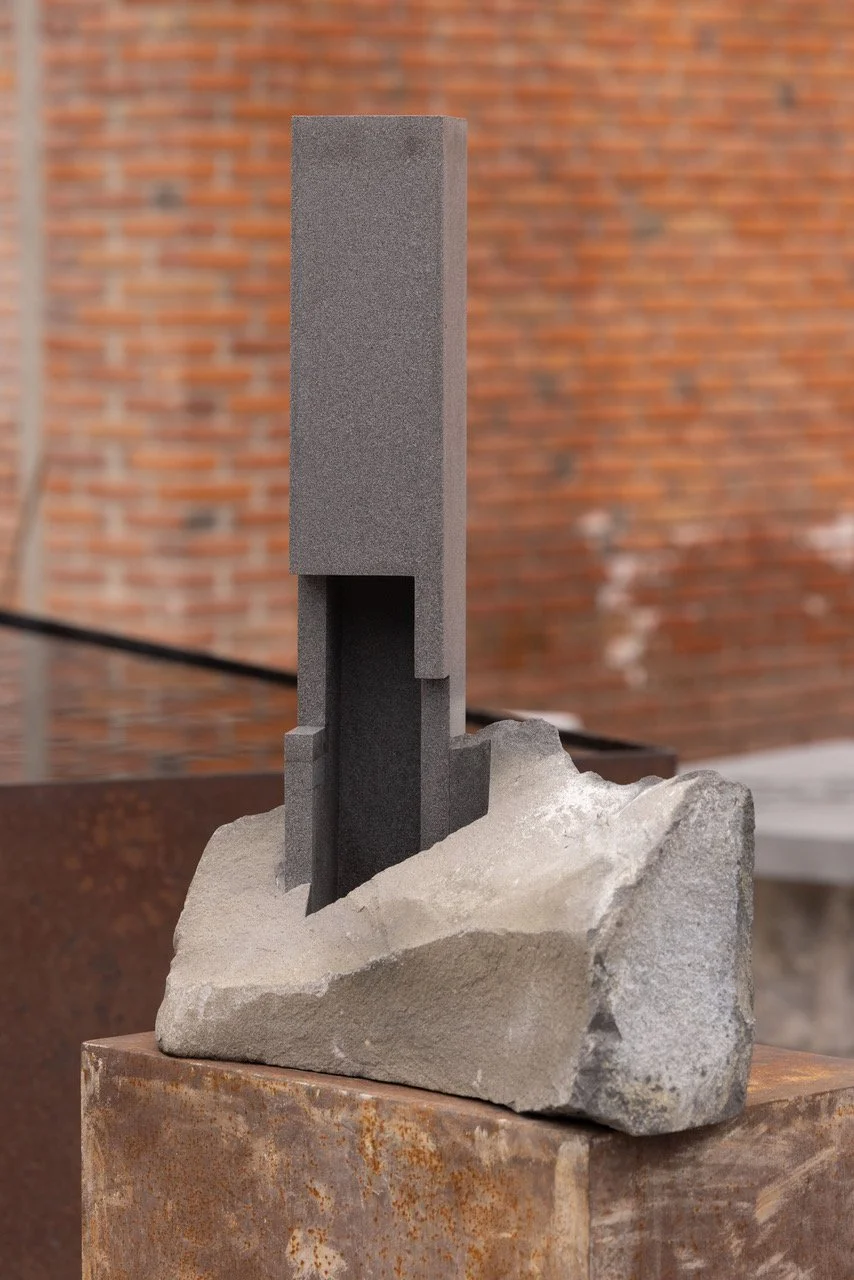
UNTITLED, 2025
volcanic rock, direct carving, on iron plinth
UNIQUE PIECE
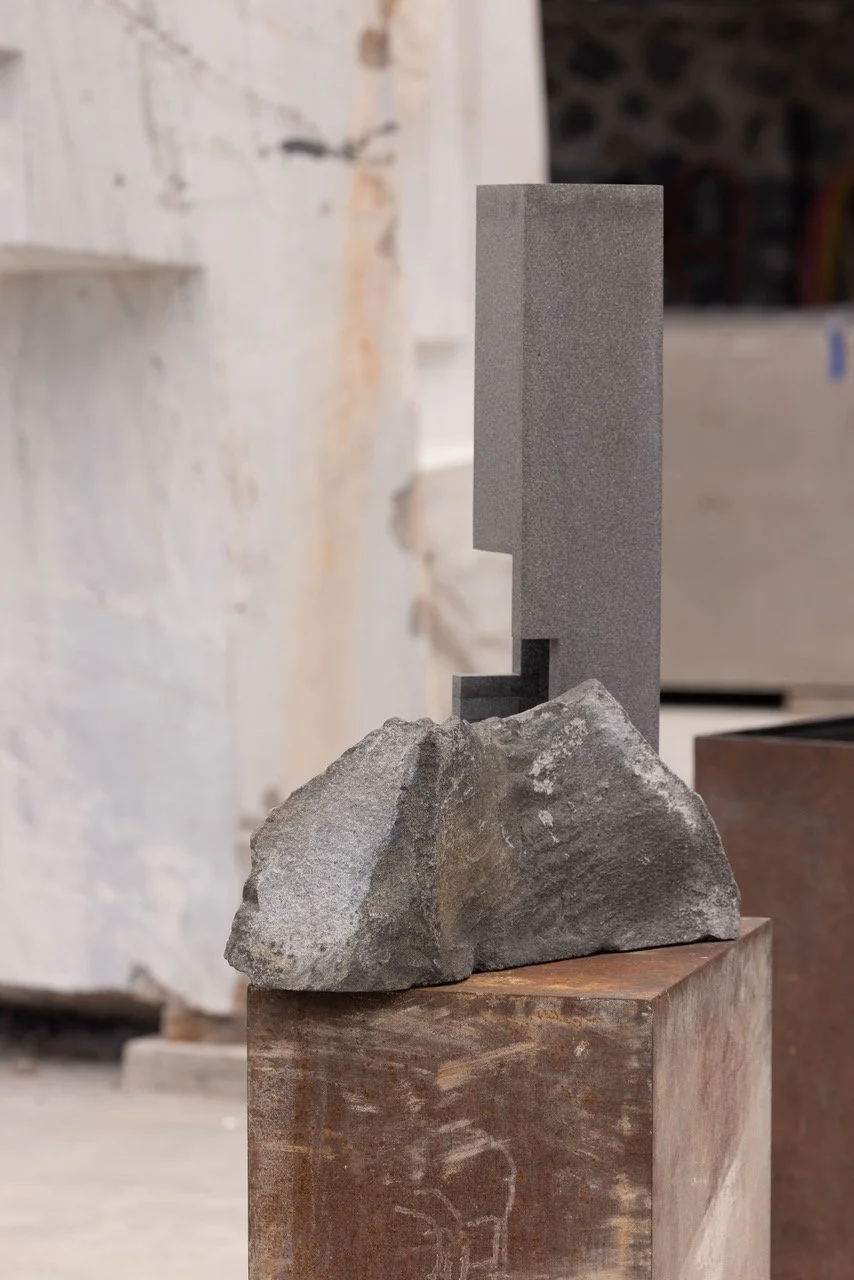
UNTITLED, 2025
volcanic rock, direct carving, on iron plinth
UNIQUE PIECE
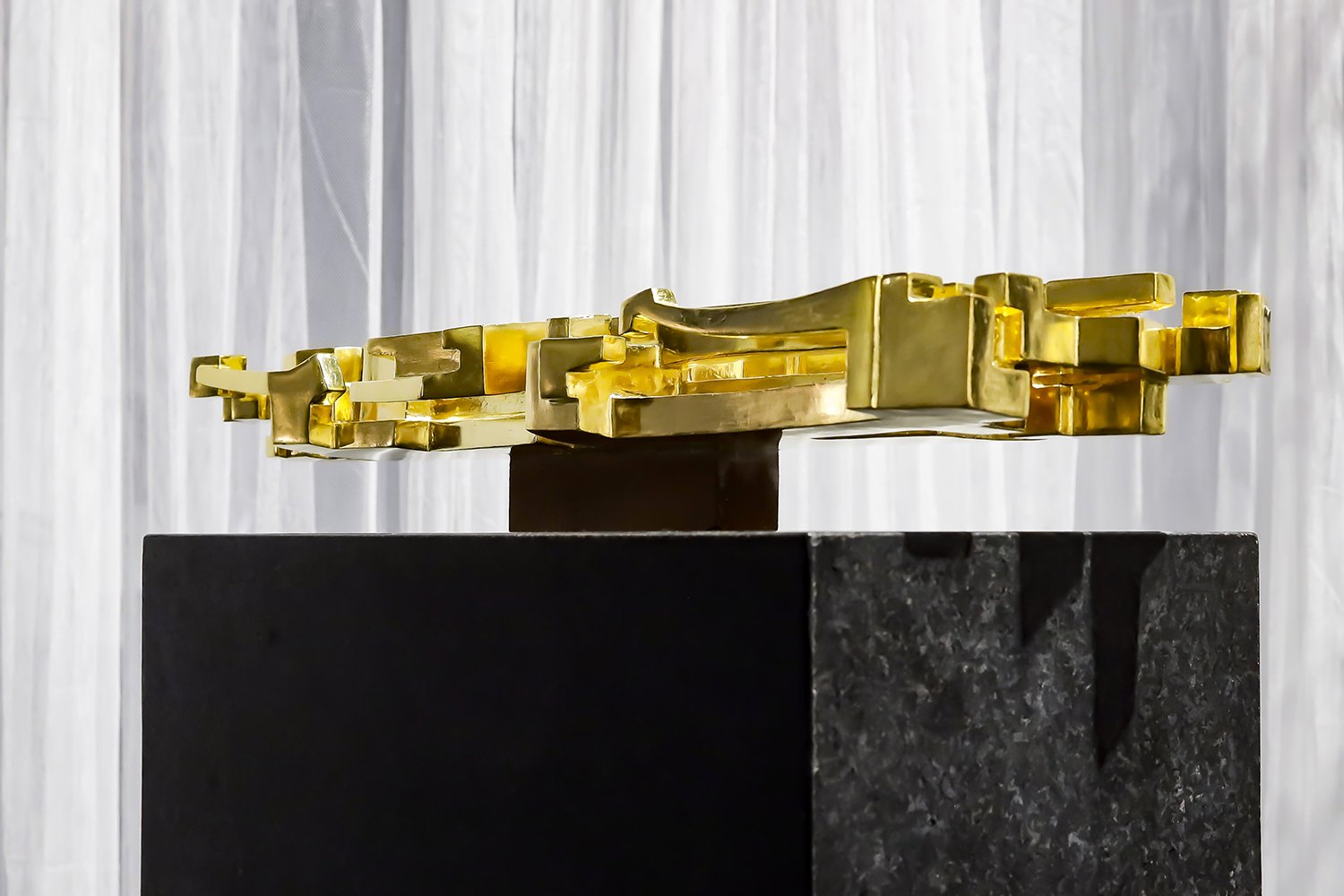
UNTITLED, 2025
wood, direct carving, gold leaf
UNIQUE PIECE
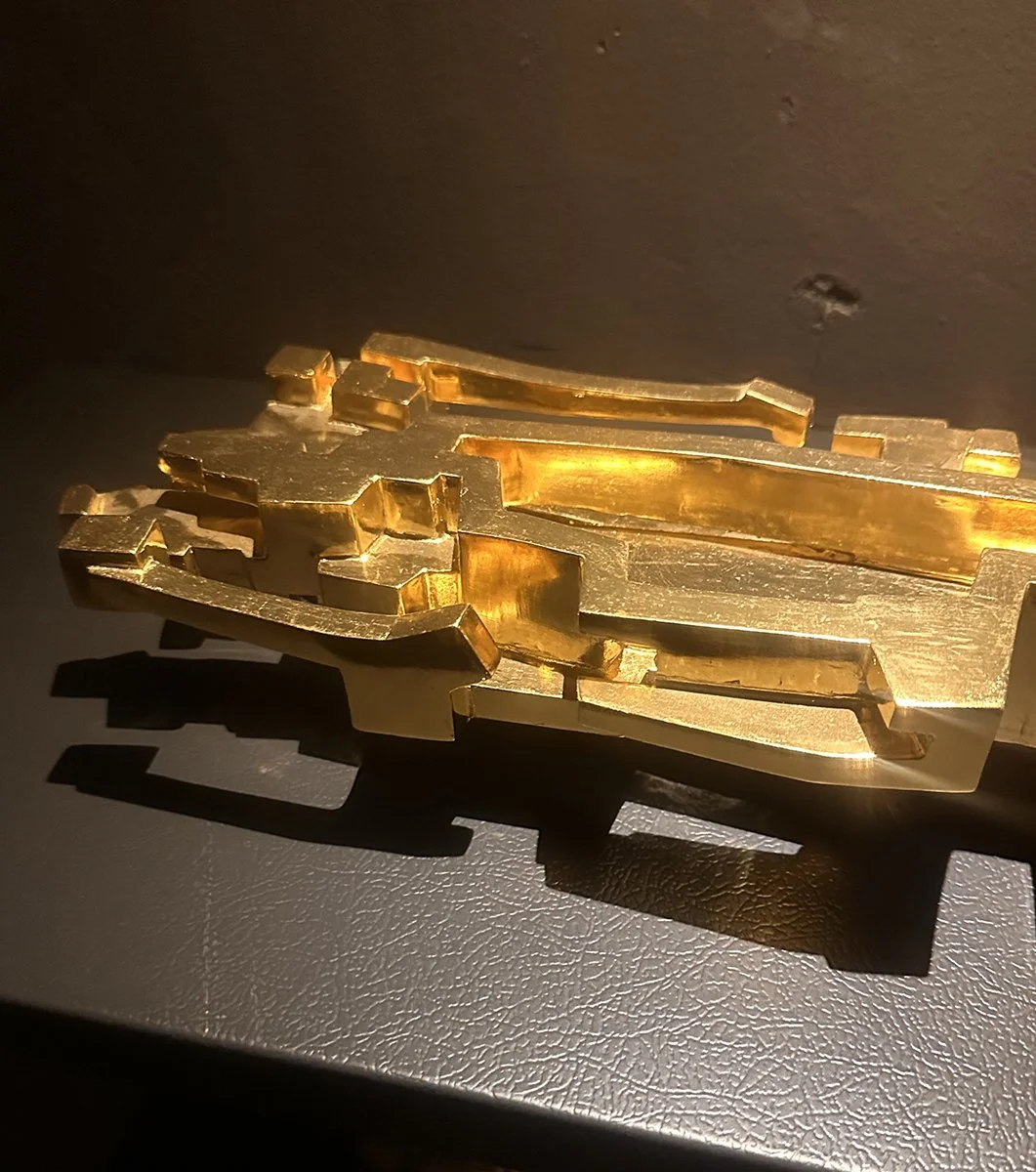
UNTITLED, 2025
wood, direct carving, gold leaf
UNIQUE PIECE
EMILO FLORES - sculptural furniture
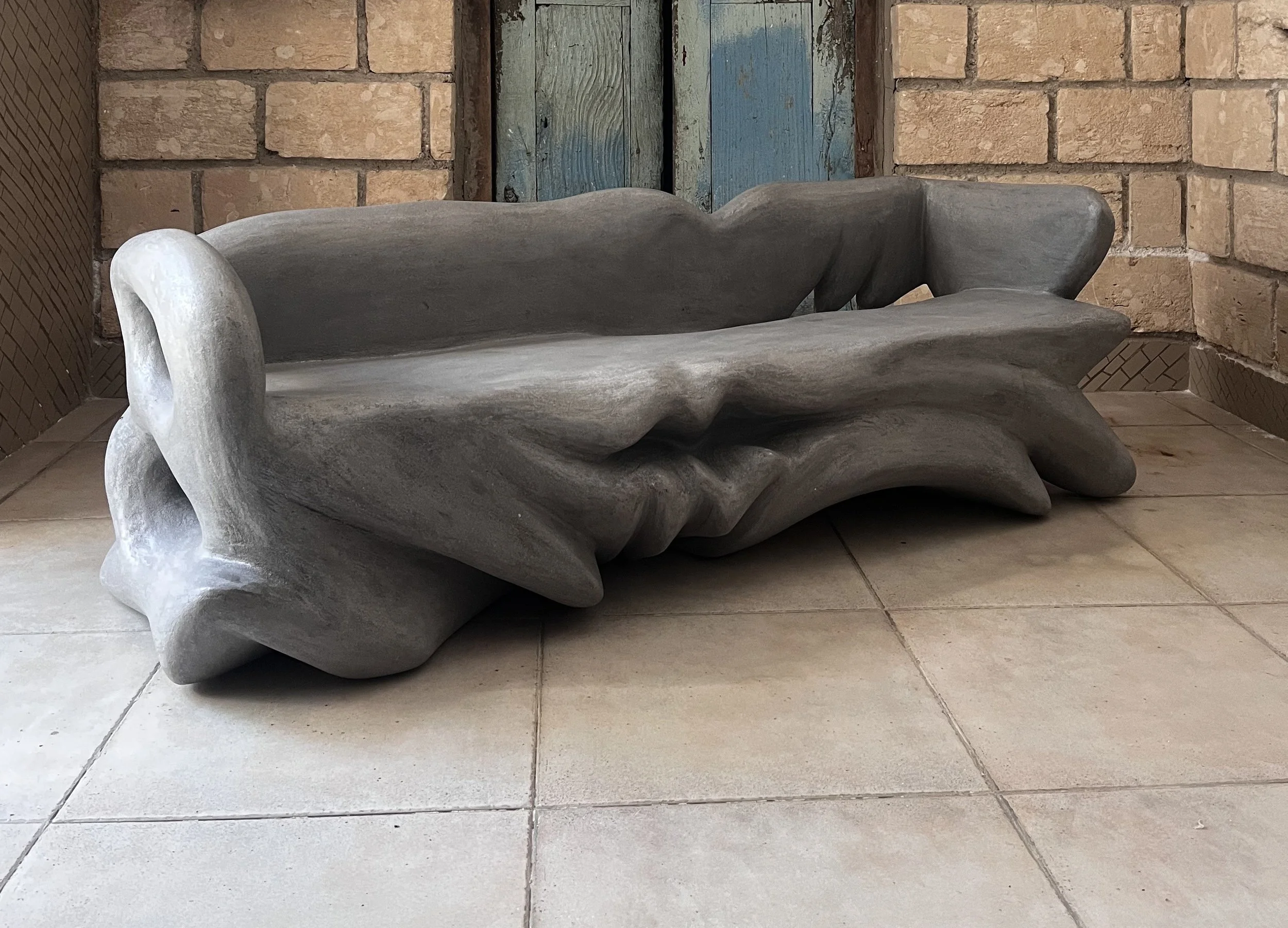
COLMILLA - bench
by Emilio Flores (Mexico)
SIZE: H: 60 x 180 x 60
MATERIAL: polystyrene, high density, resin, reinforced concrete, direct carving
UNIQUE PIECE
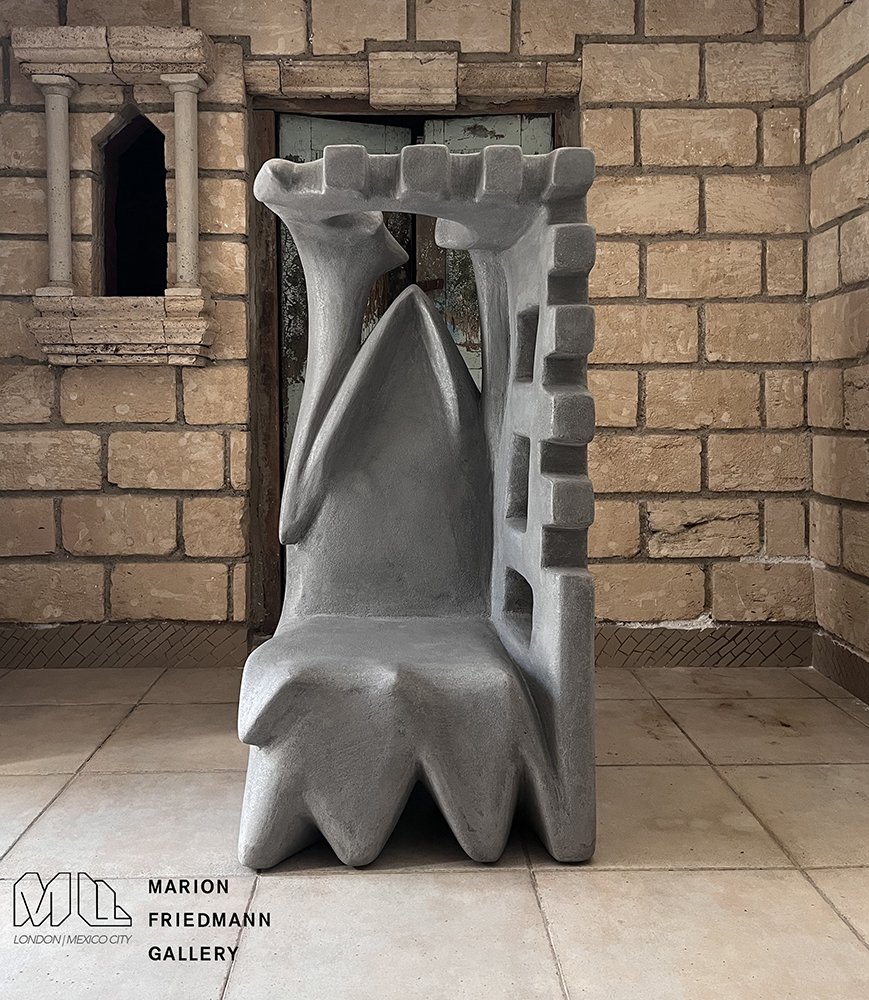
CHAPEL - armchair
by EMILIO FLORES
SIZE: 140 x 70 x 70 cm
MATERIAL: polystyrene, high density, resin, reinforced concrete, direct carving
UNIQUE PIECE
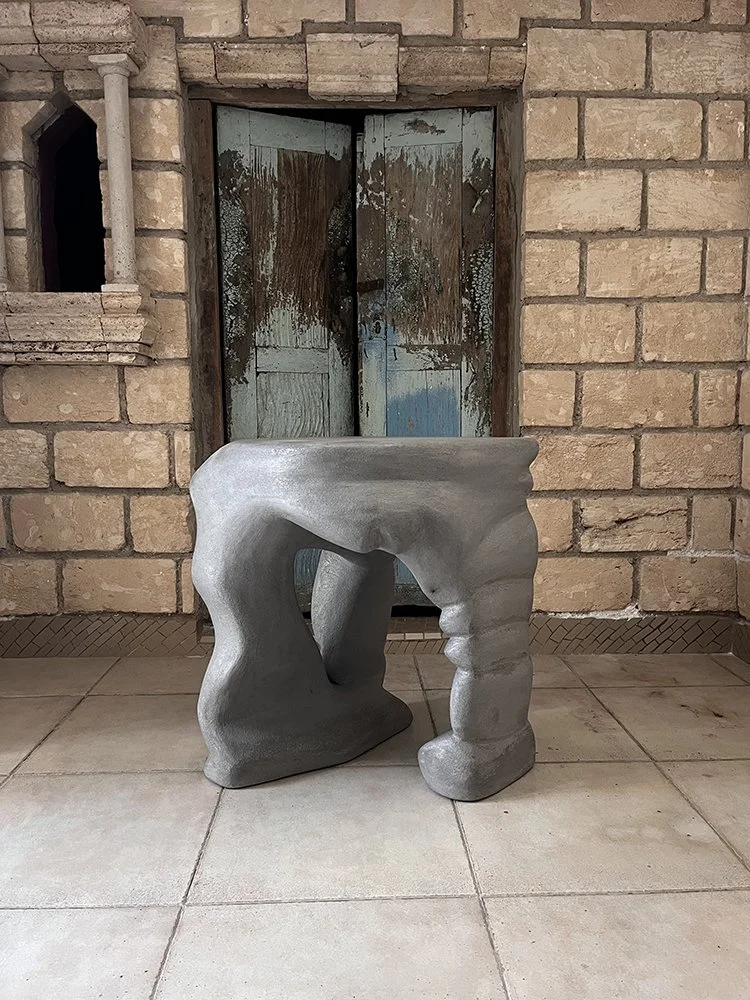
CUEVA DE TRES PATAS - table
by EMILIO FLORES
SIZE: 80 x 60 x 60 cm
MATERIAL: polystyrene, high density, resin, reinforced concrete, direct carving
UNIQUE PIECE
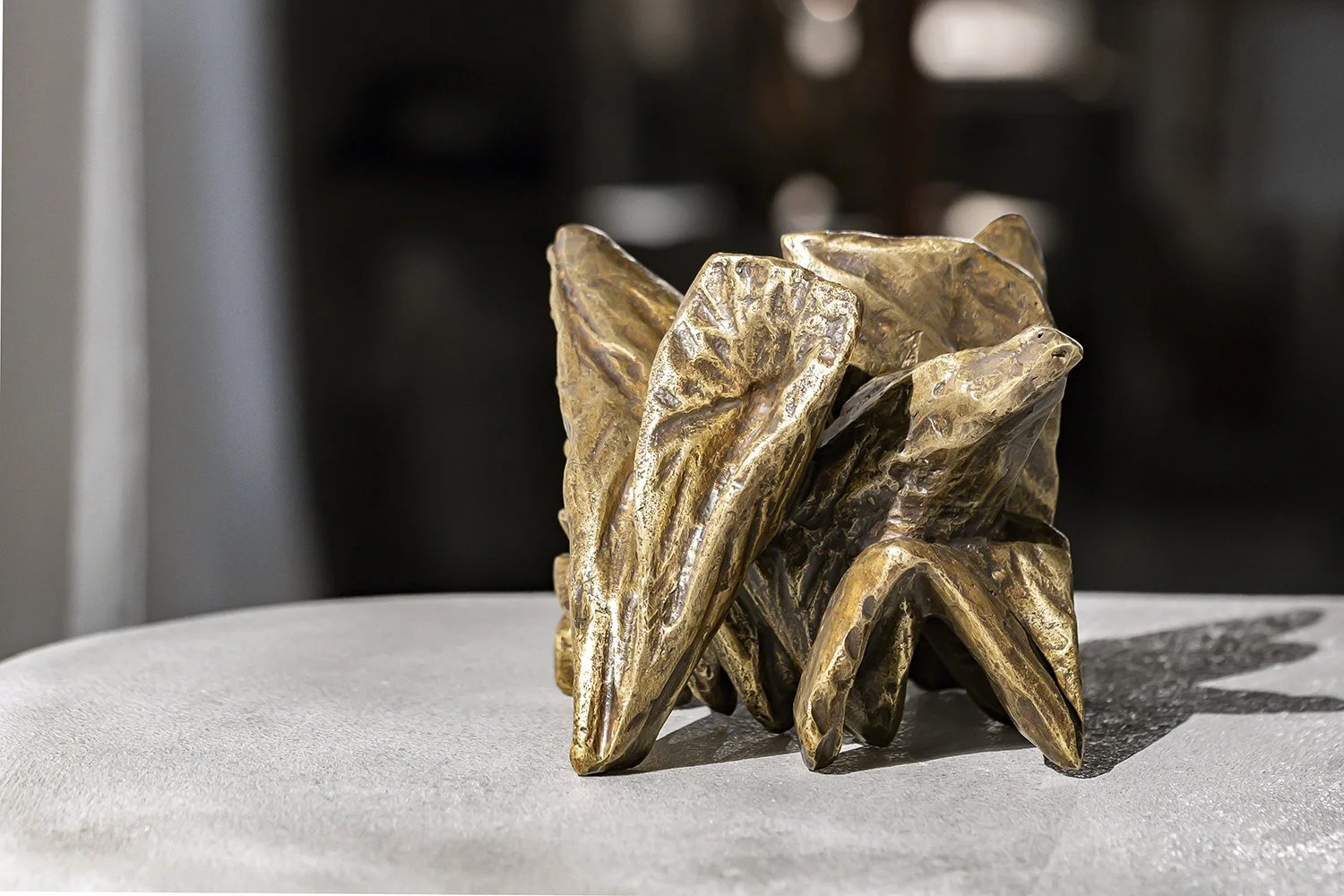
EMILIO FLORES - BRONZES
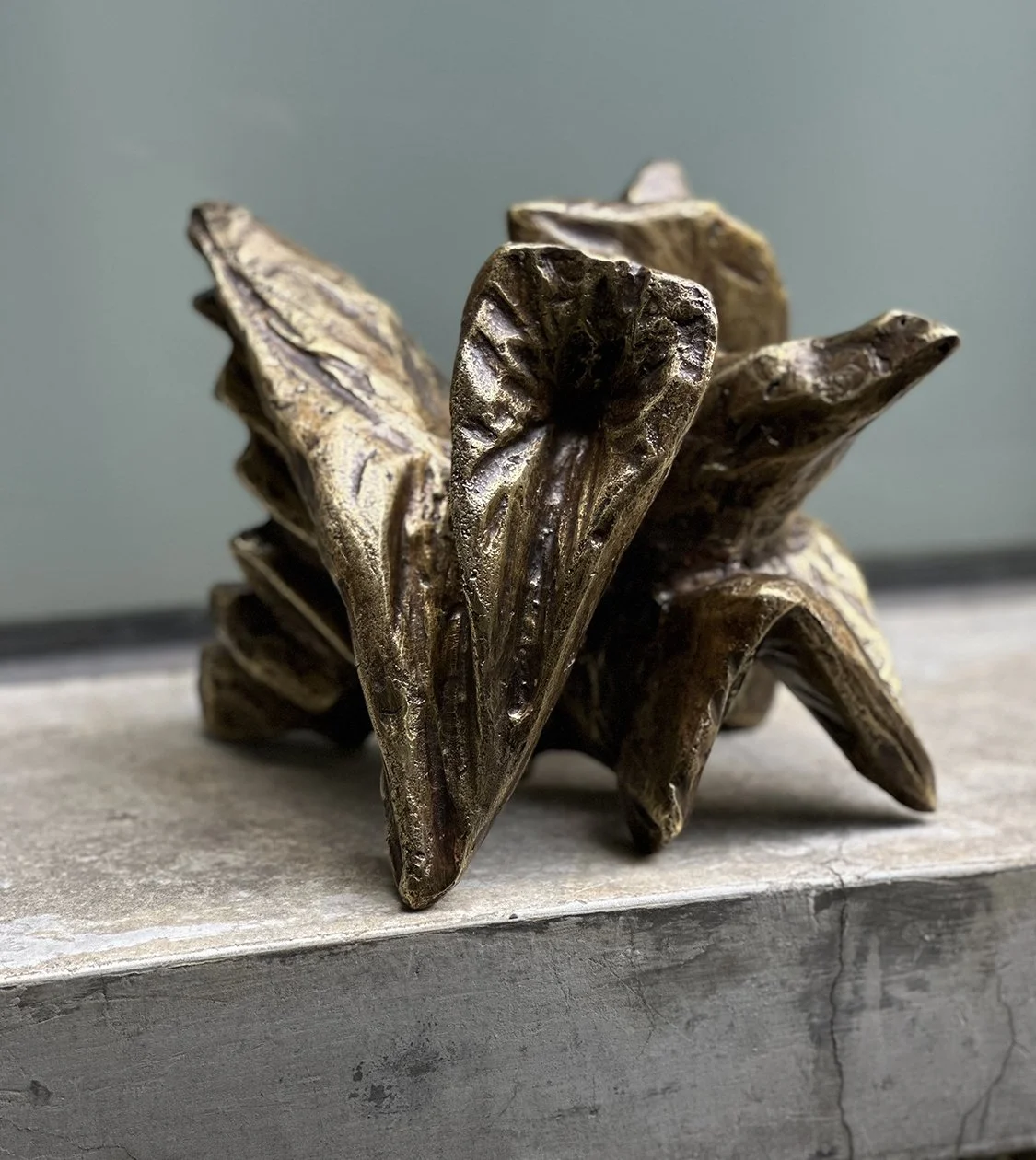
FLOR CORTADA
by EMILIO FLORES, 2026
SIZE: 15 x 15 x 15 cm
MATERIAL: bronze, lost-wax casting, beown-gold patina finish
EDITION: 5 + 2AP
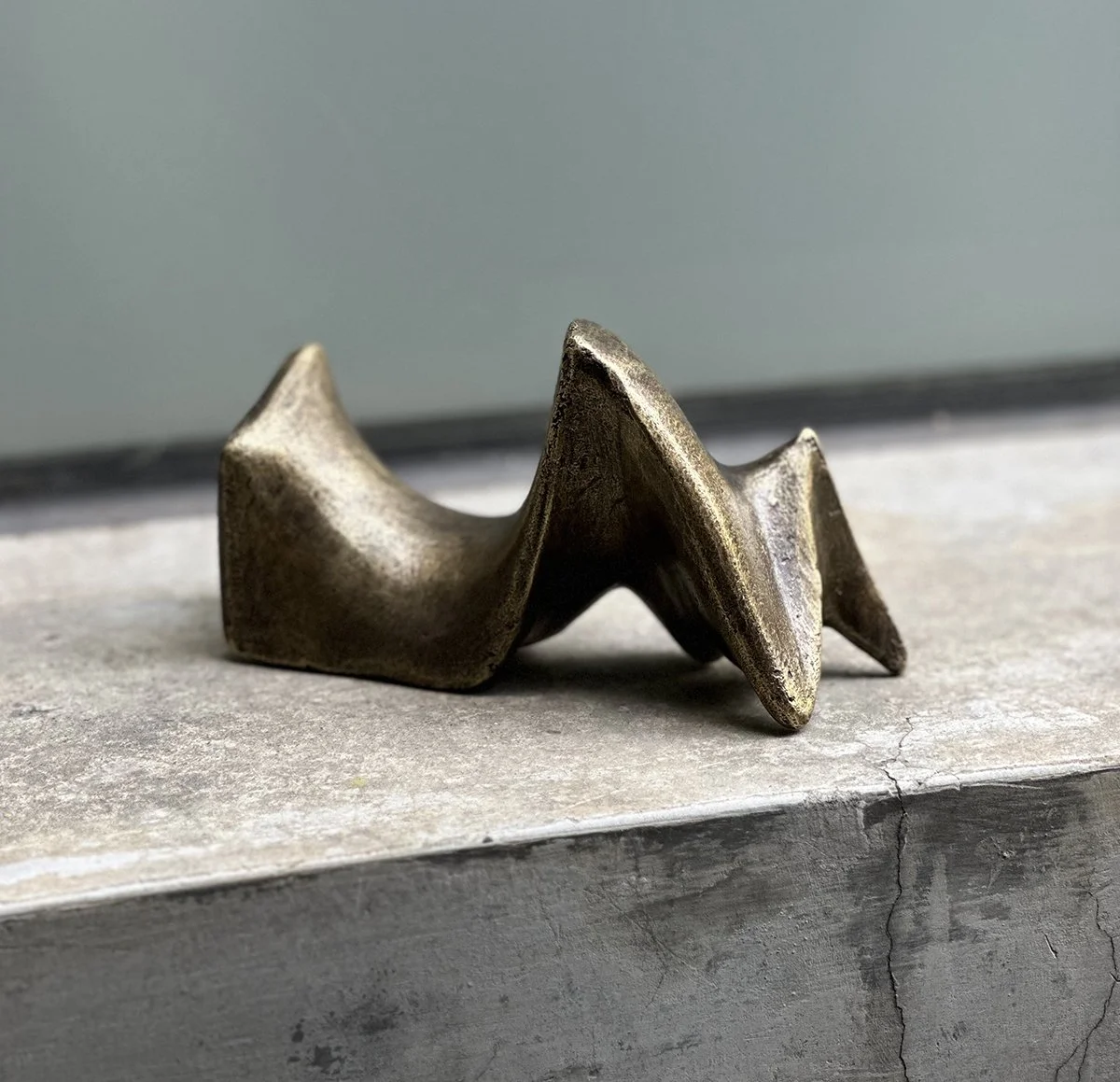
PORTE DE MONTAÑA
by EMILIO FLORES, 2026
SIZE: 14 x 8 x 5 cm
MATERIAL: bronze, lost-wax casting, brown-gold patina finish
EDITION: 5 + 2AP
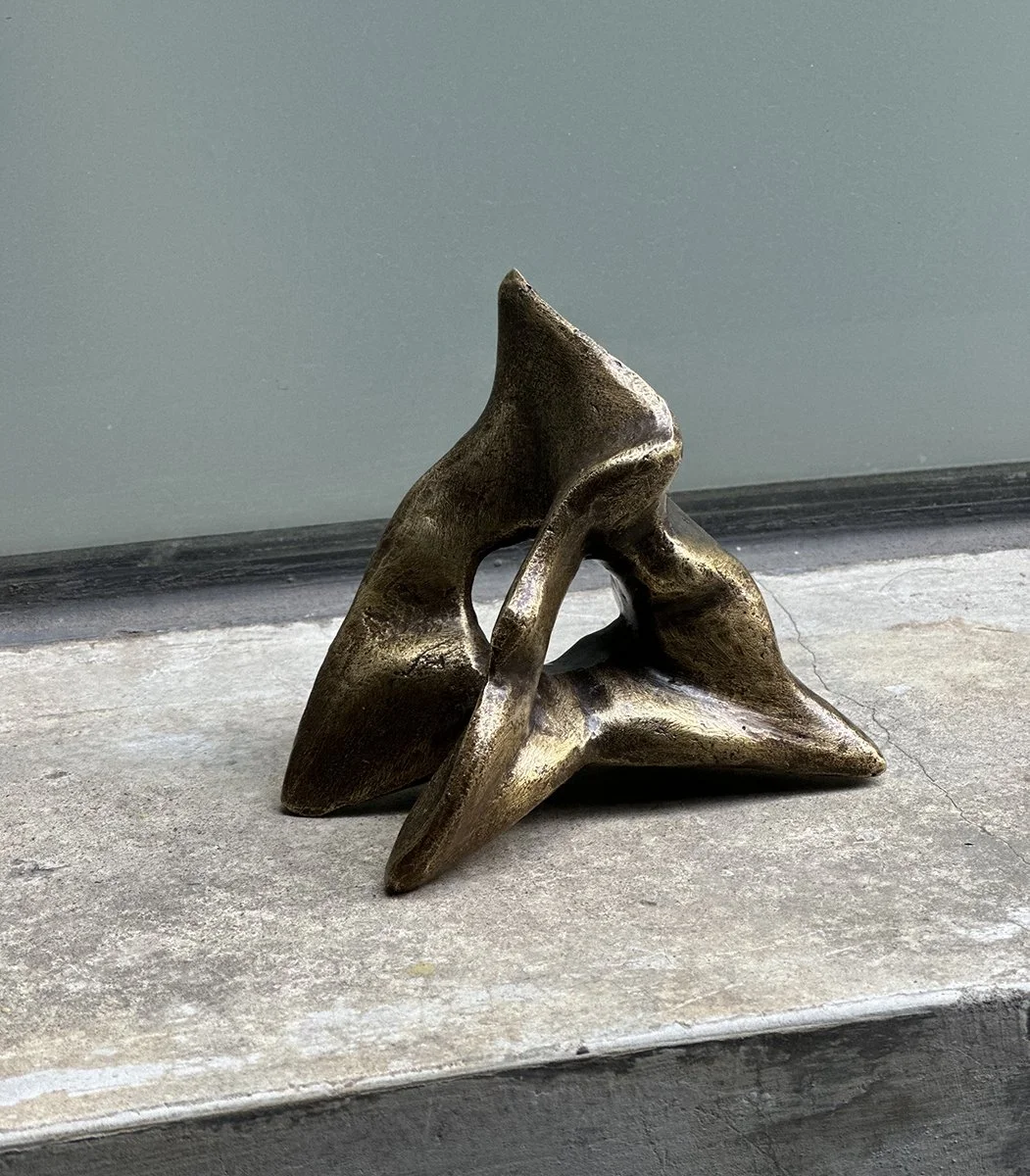
LUMBRE
by EMILIO FLORES, 2026
SIZE: H:9 x 10 x 5 cm
MATERIAL: bronze, lost-wax casting, brown-gold patina finish
EDITION: 5 + 2AP
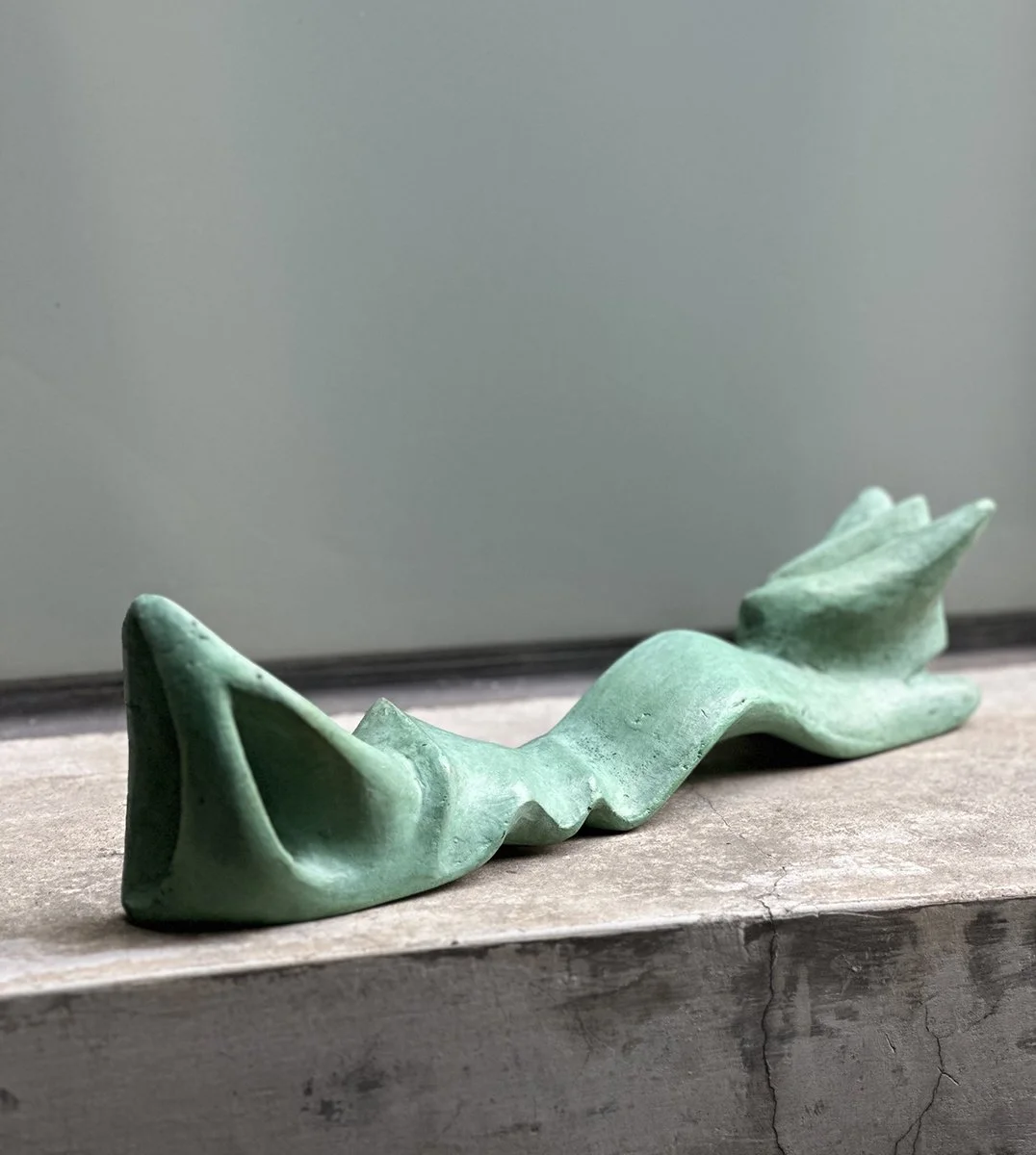
SERPIENTE
by EMILIO FLORES, 2026
SIZE: 30 x 9 x 5 cm
MATERIAL: bronze, lost-wax casting, green patina finish
EDITION: 5 + 2AP
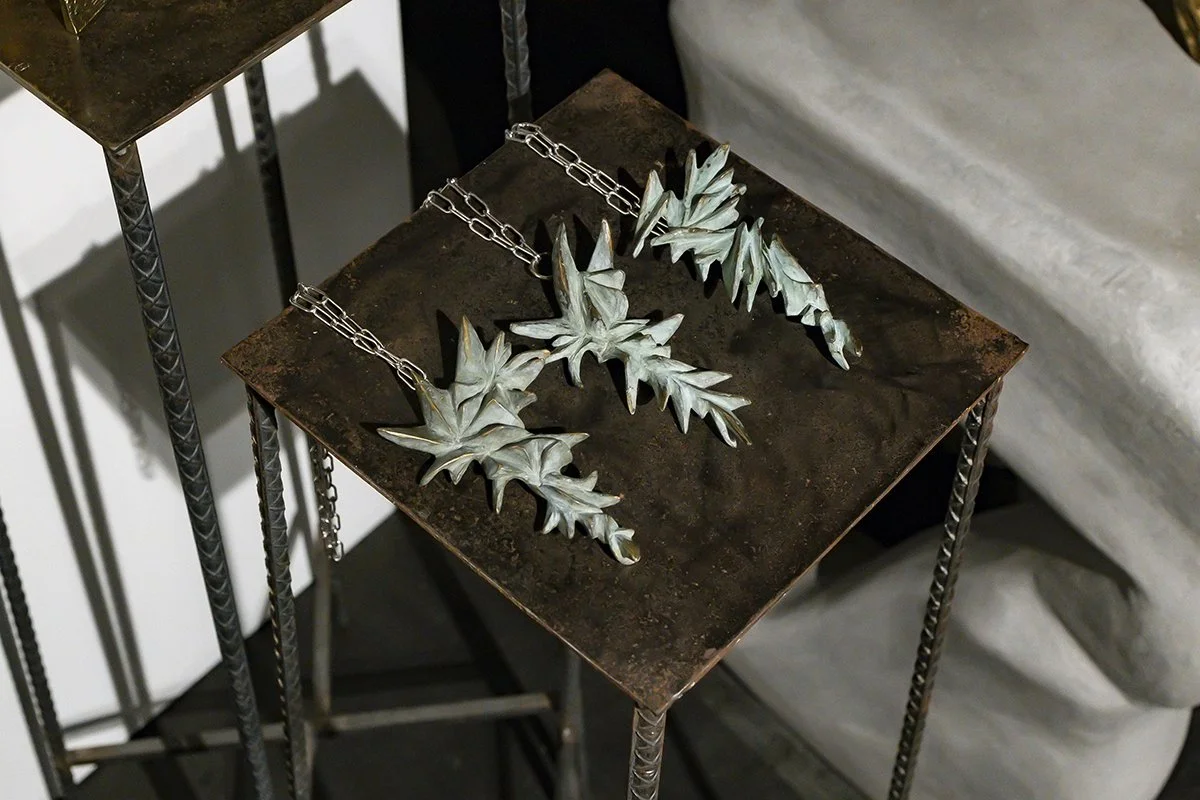
EMILIO FLORES - WEARABLE BRONZEs - ‘FRACTALES
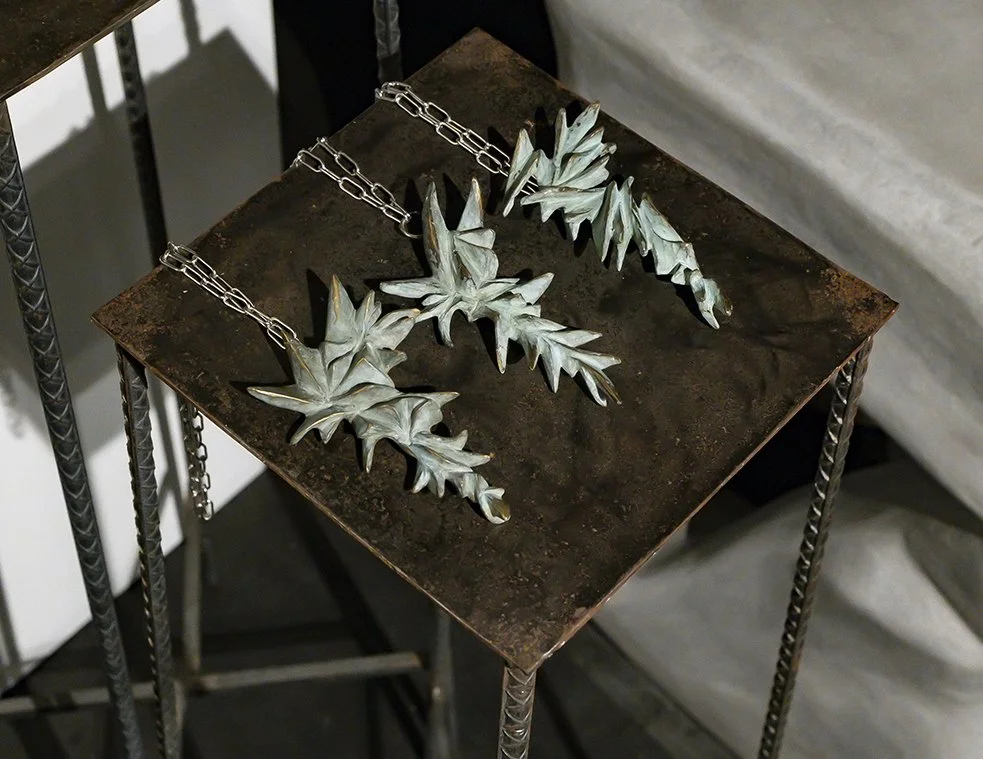
3 2earable sculptures, copper alloy, patinated
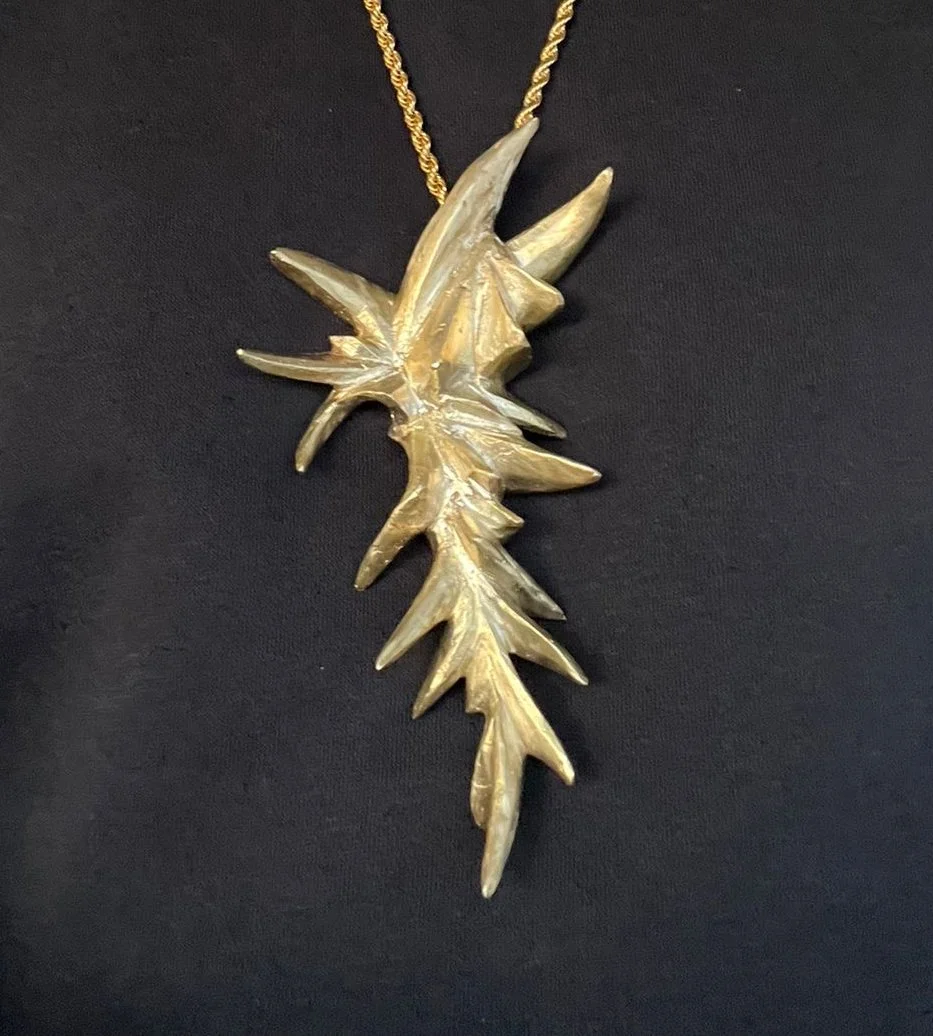
Version of FRATKLES, gold patinated
SABINO GUISU, OAXACA, MEXICO
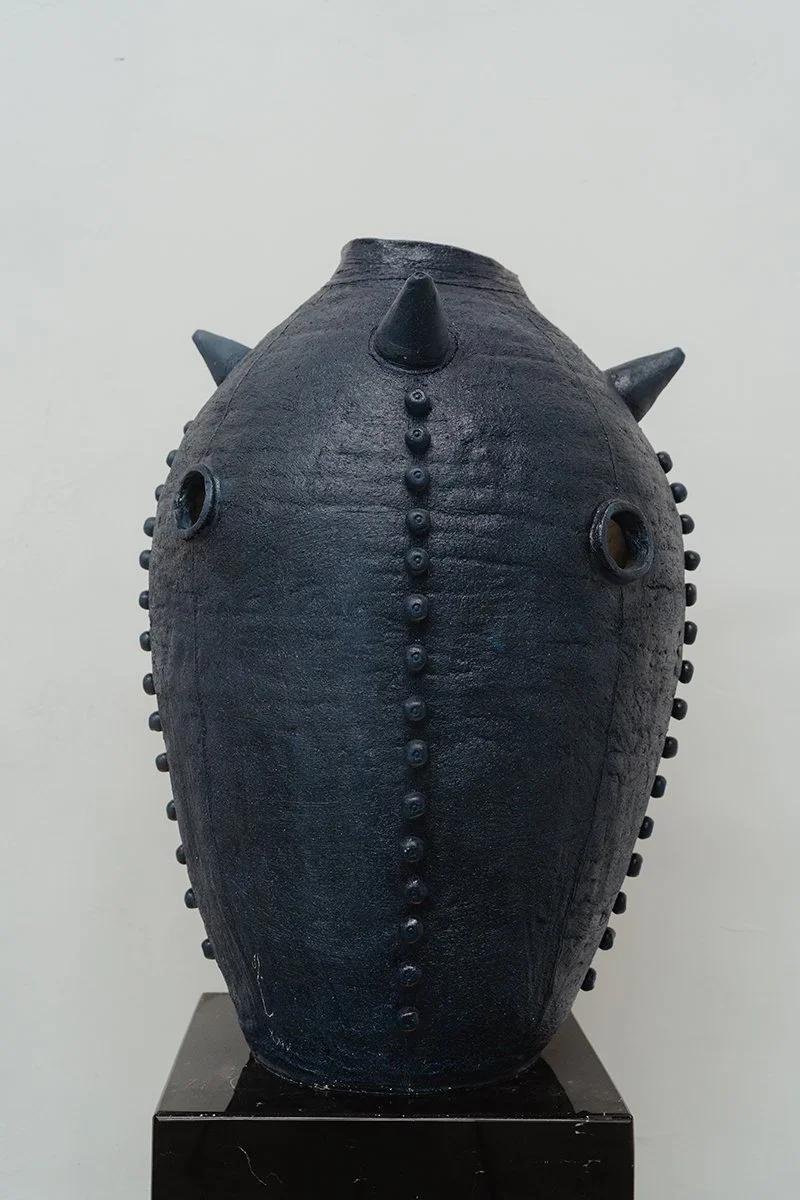
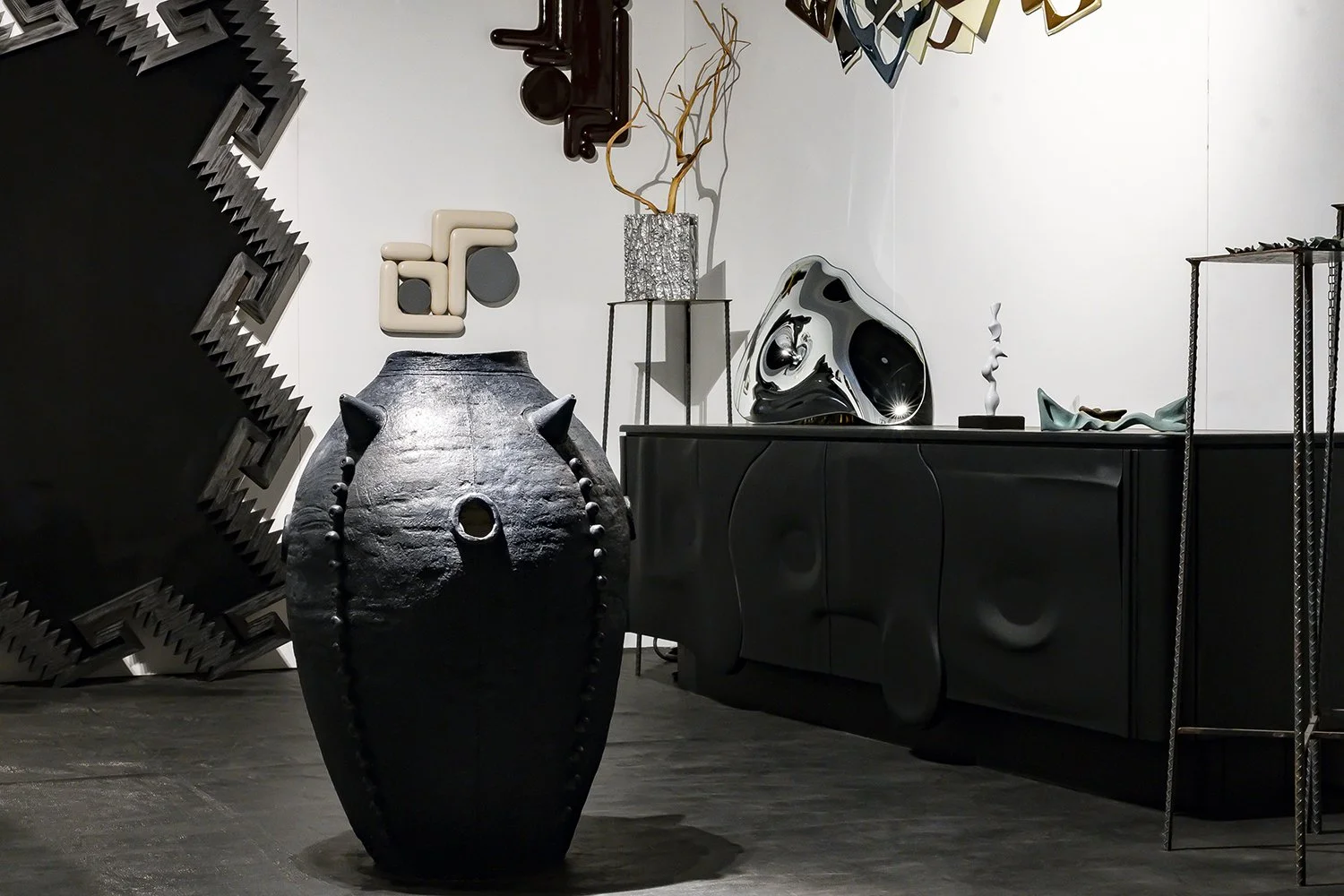
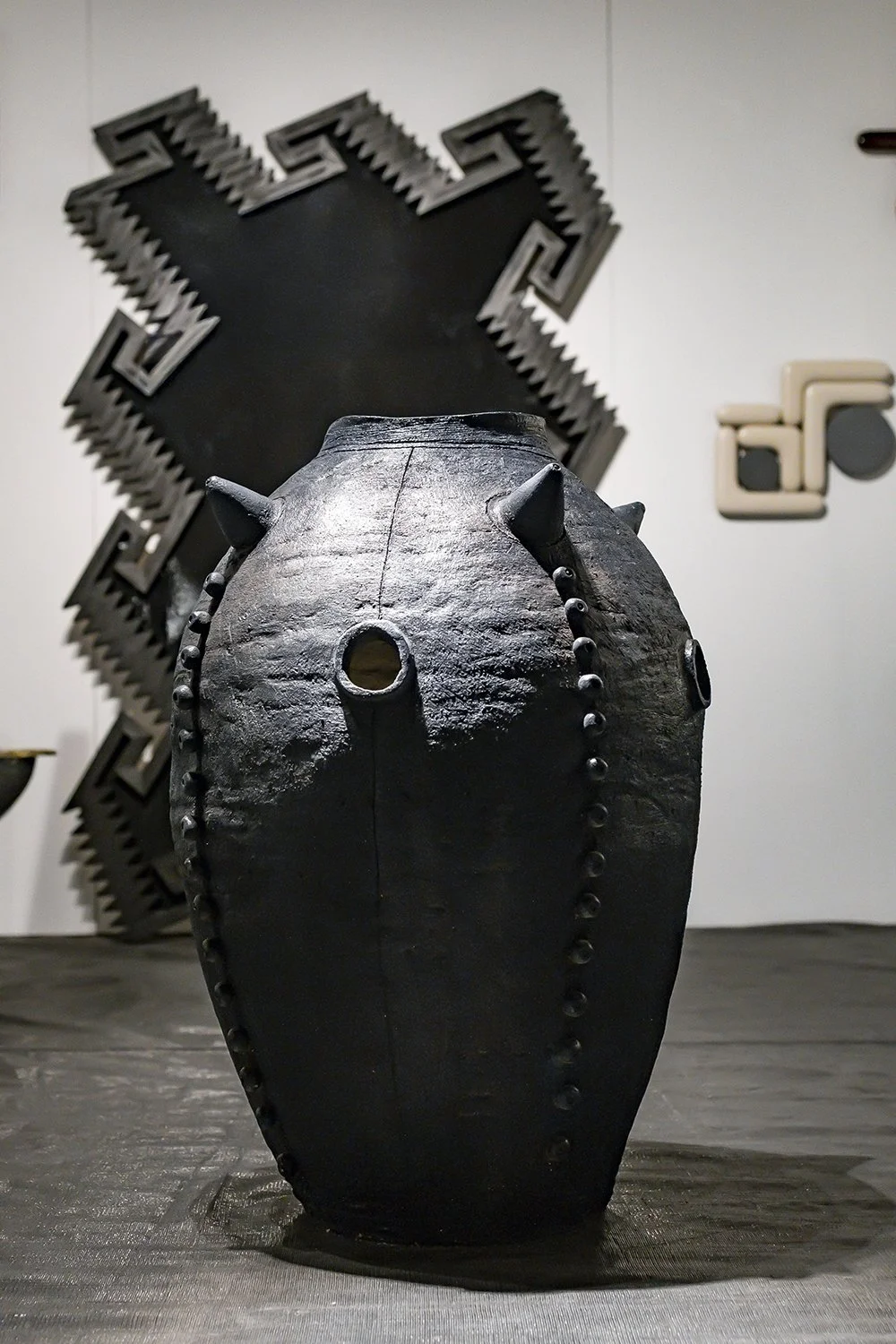
‘BLUE RECEPTACLE EGG’
CERAMIC VESSEL
by SABINO GUISU, OAXACA, Mexico, 2026
SIZE: SIZE: H: 87 x 56 cm
MATERIAL: high temperature ceramic, cobalt
UNIQUE PIECE
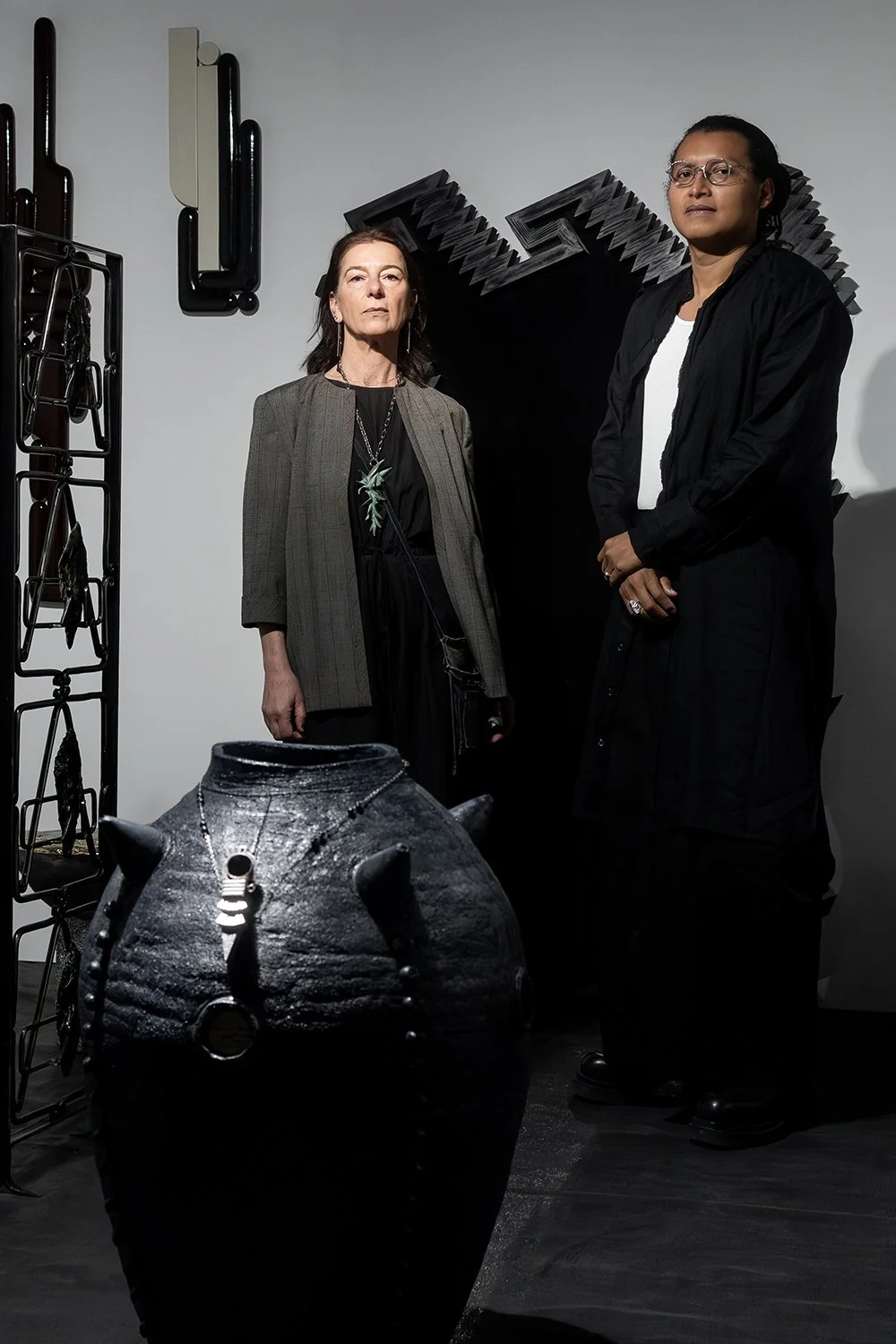
This high-temperature ceramic vessel is conceived as a symbolic device of containment and gestation. Its organic morphology evokes primordial cavities—interior spaces understood not as emptiness, but as active potential, a site where form and meaning remain in a latent state. Entirely hand-built, the piece reveals a direct relationship between body, material, and time. In the practice of Sabino Guisu, ceramics operate as a field of material knowledge, where the manual gesture resists technical replication and instead arms a sensitive, ritualized process of making. Each formal irregularity preserves the memory of human contact and material resistance. The cobalt blue glaze, red at high temperatures, achieves a dark, dense tonality as a result of the red’s direct action. Rather than functioning as ornament, the glaze becomes a physical record of irreversible transformation: reintervenes as a determining agent, altering the surface and consolidating the dual identity of the object. The work engages a contemporary reaction on ritual and utilitarian objects, displacing function toward the symbolic realm. Rather than merely containing, it safeguards; rather than representing, it activates an idea of origin and creation in process, positioning itself at the threshold between the archaic and the contemporary.
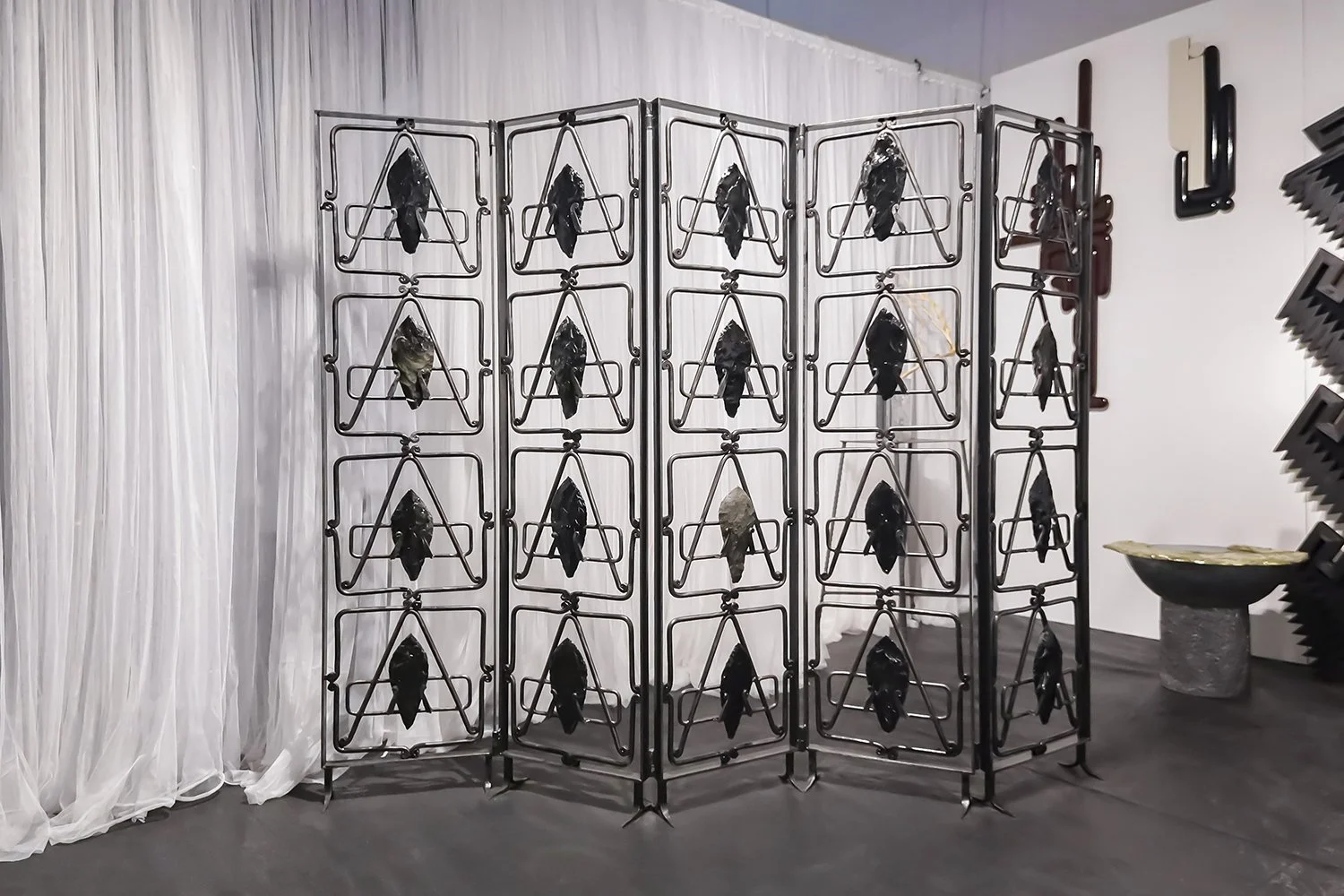
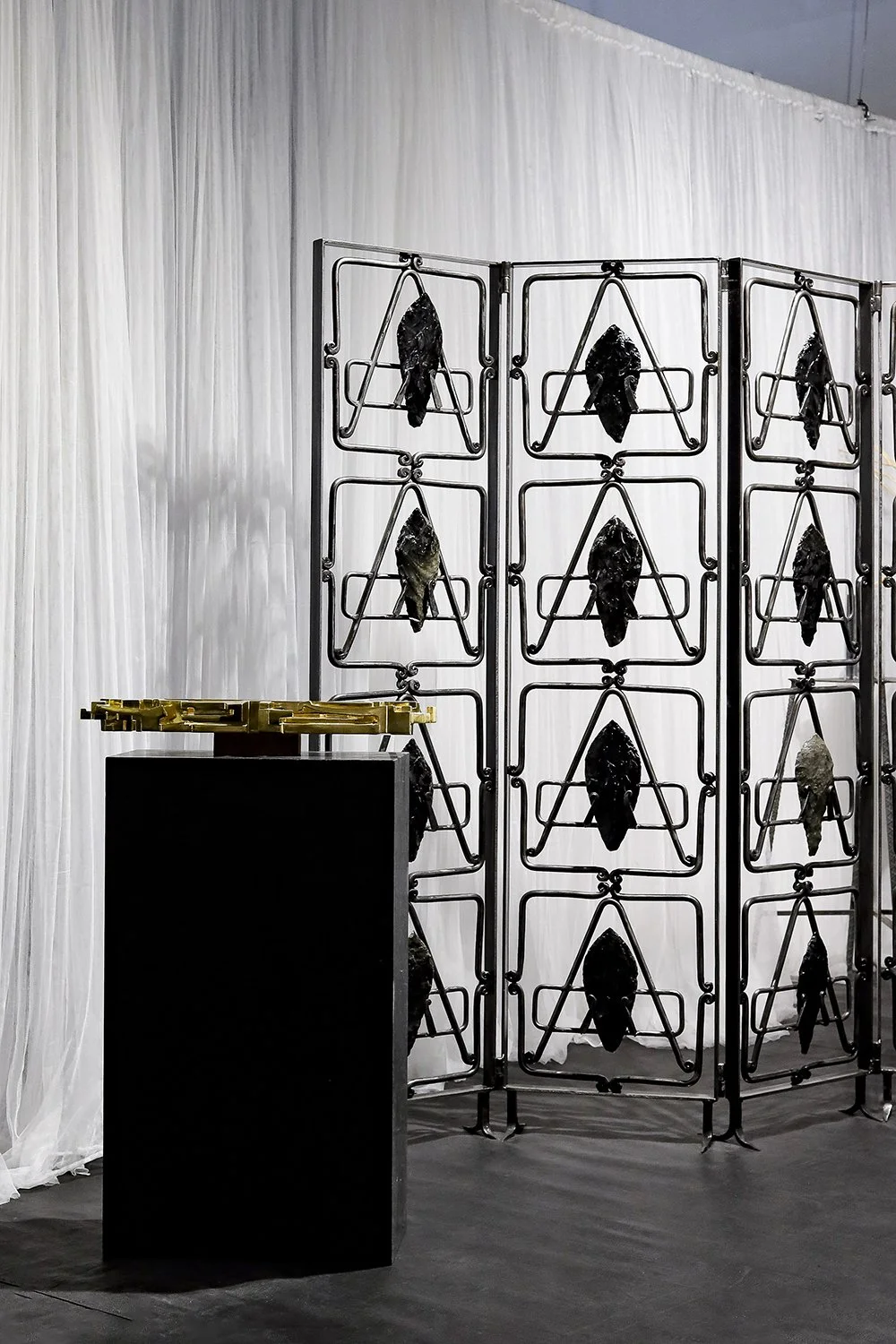
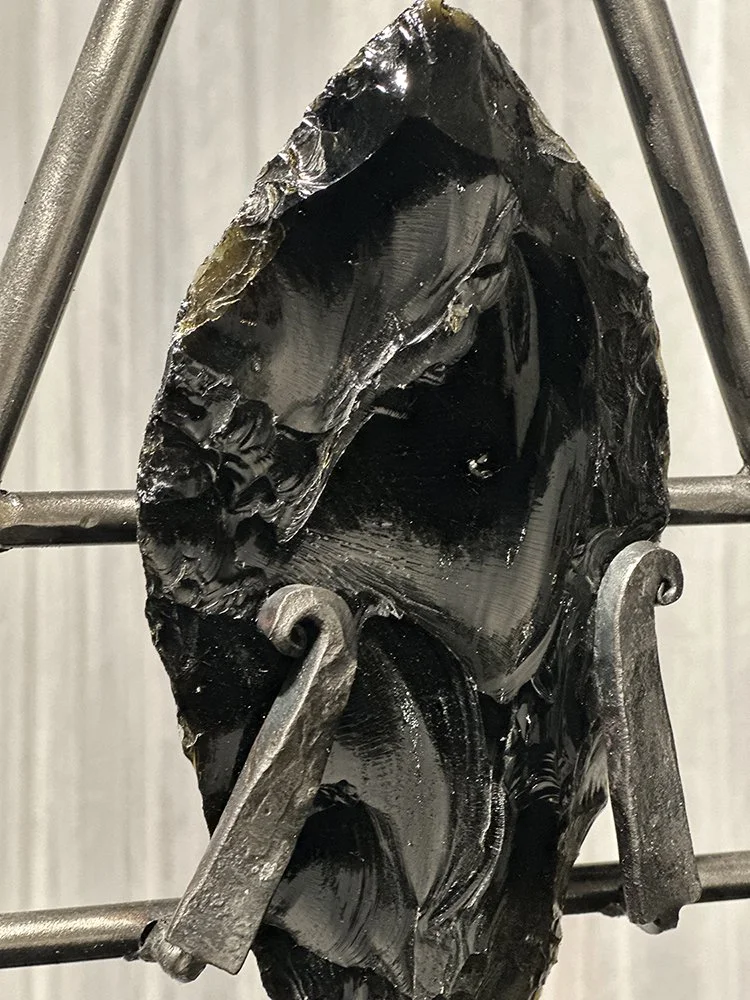
SABINO GUISU, OBSIDIAN SCREEN
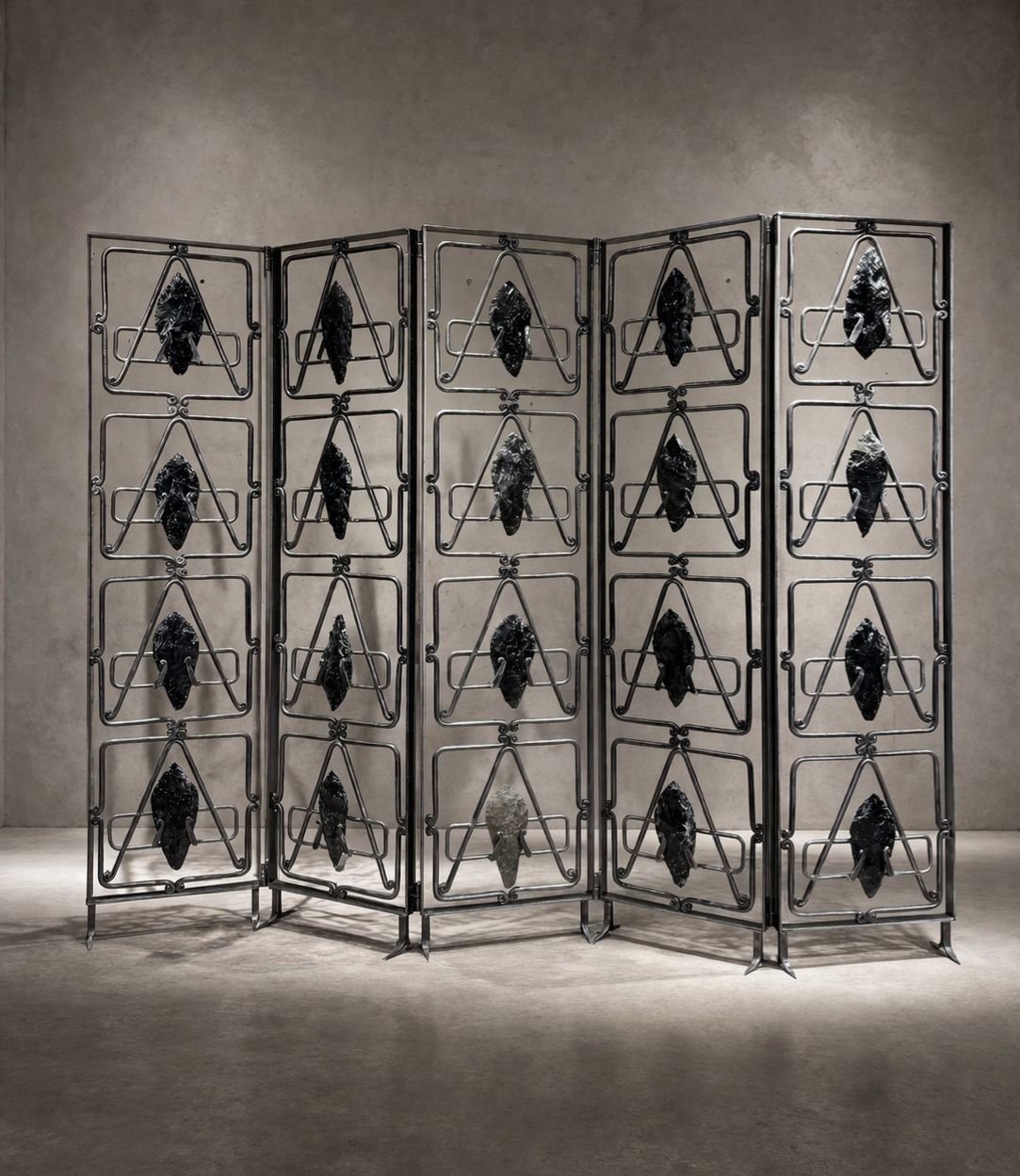
SCREEN / ROOM DIVIDER
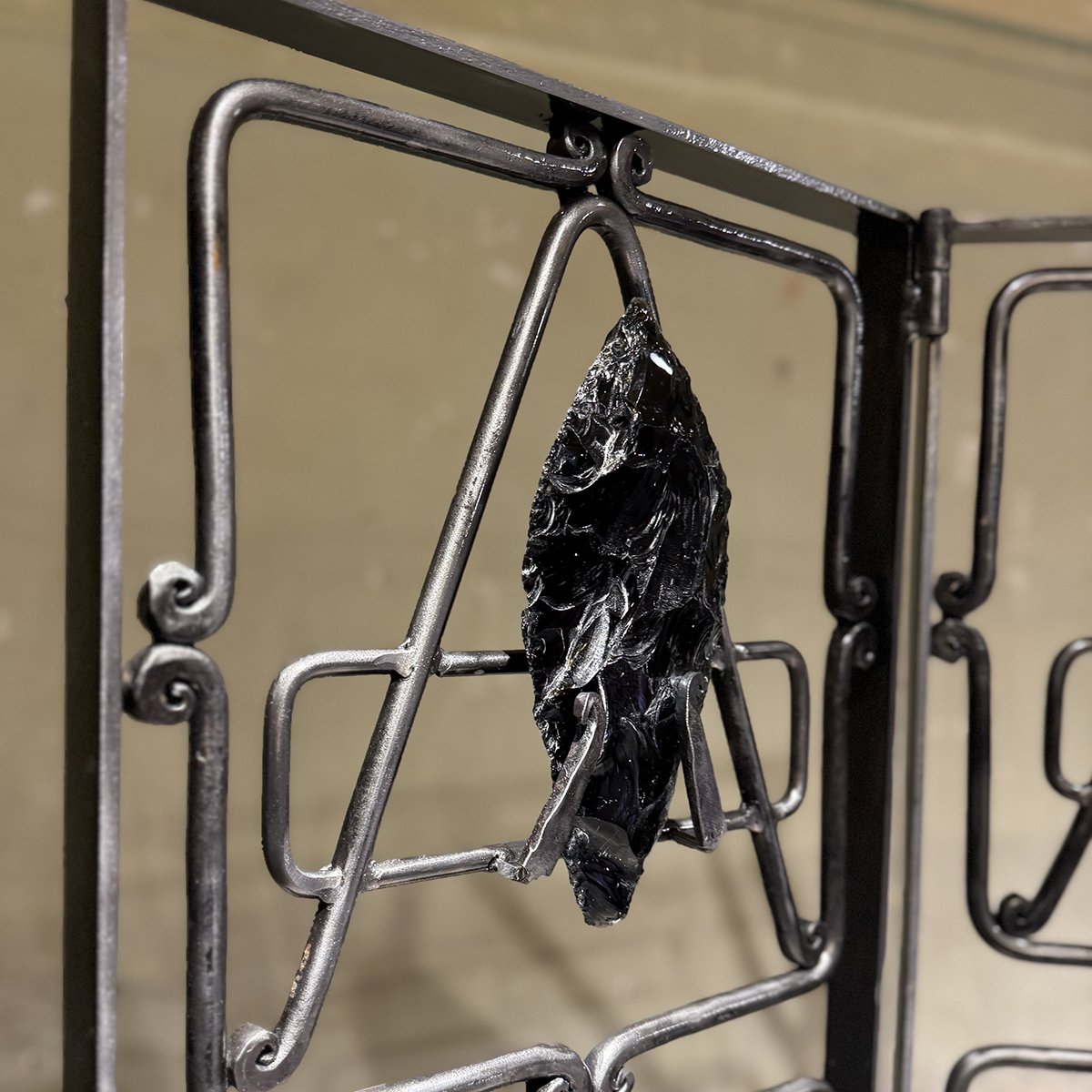
‘CARGADOR PEDERNAL’
by SABINO GUISU, Oaxaca, Mexico, 2026
SIZE: H: 160 x 200 cm
MATERIAL: hand-forged iron, golden sheen Obsidian, direct carving
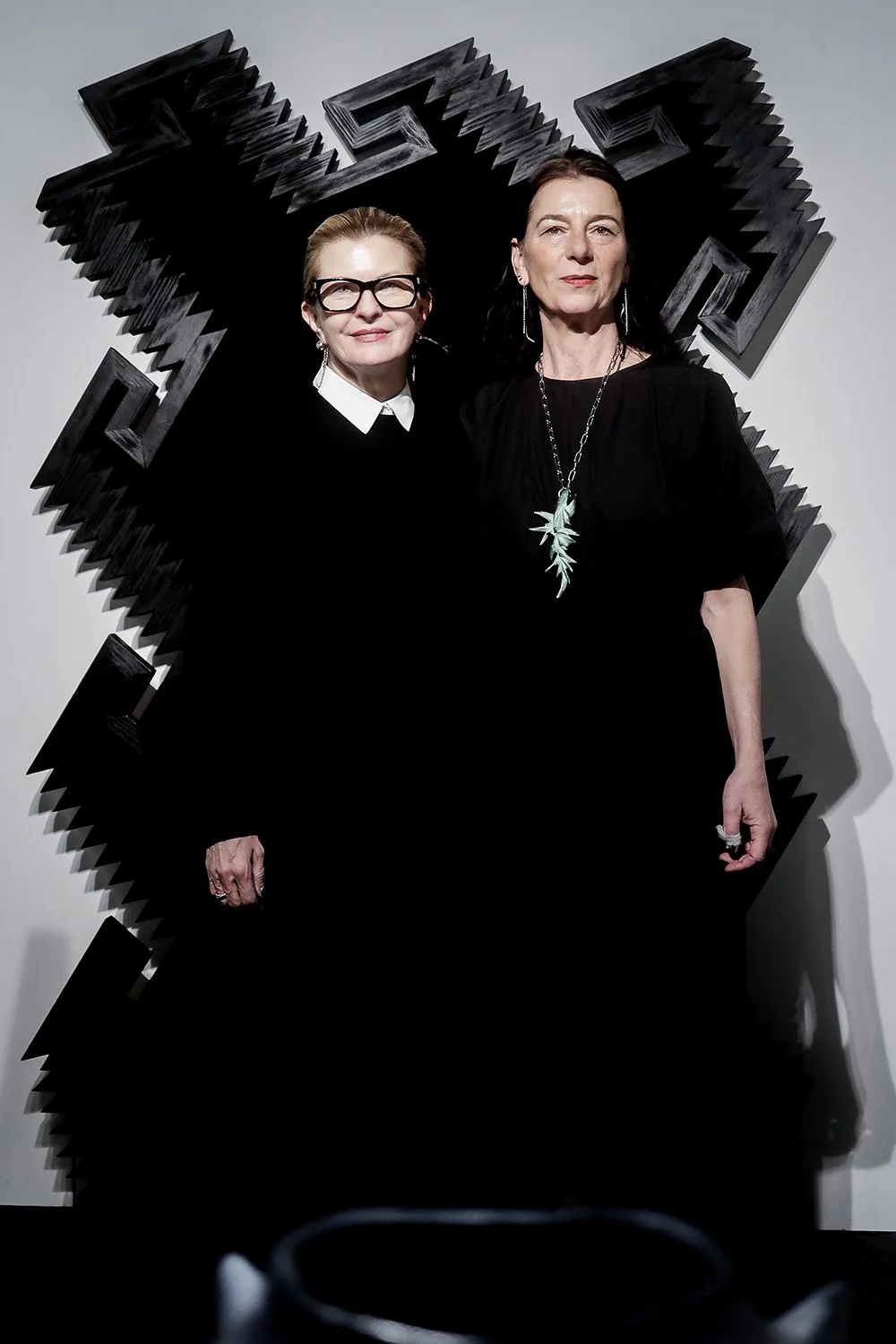
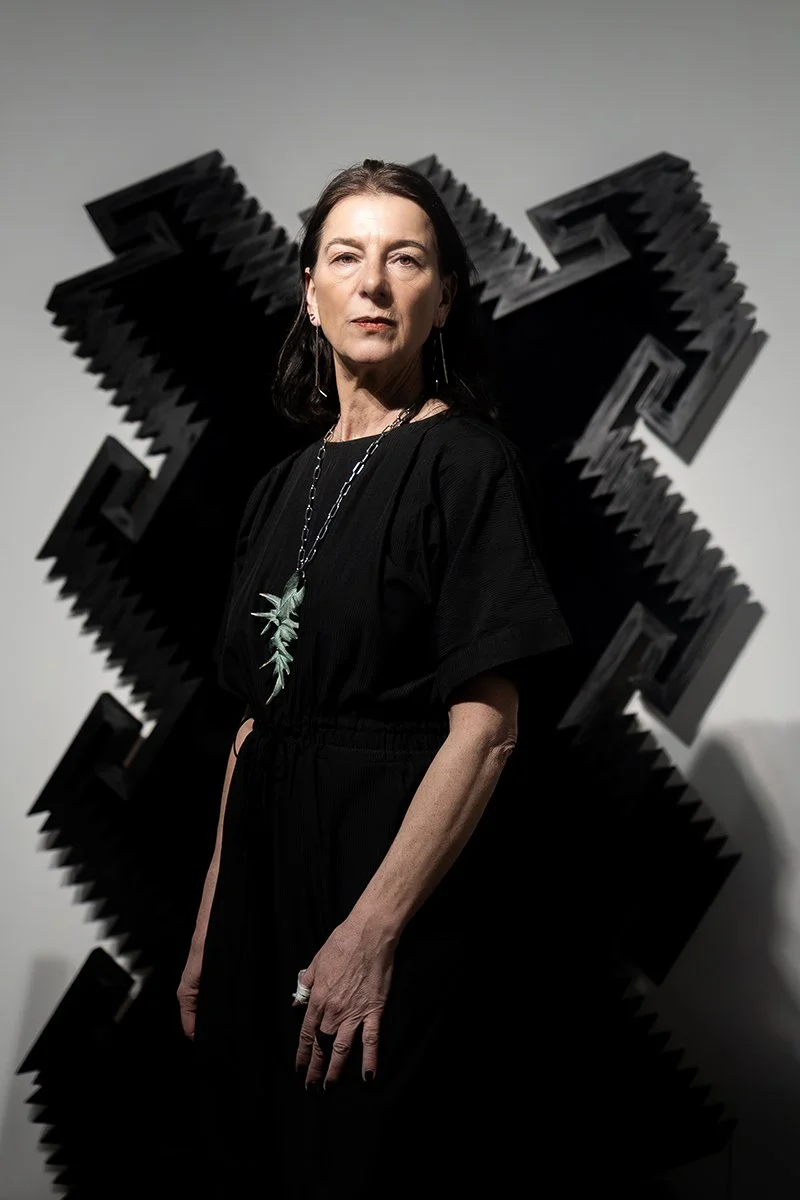
The screen CARGADOR PADERNAL is grounded in the repetition of the A glyph found in Mixtec codices, a sign associated with the year bearers, gures charged with carrying and sustaining time within Mesoamerican ritual order. Transposed into the present, the glyph becomes a sculptural module that no longer measures time but materializes it as weight and tension. The metal framework operates as a system of support, while the obsidian blades activate a symbolic dimension linked to Tezcatlipoca’s Smoking Mirror—a dark, reective surface that does not oer stable images, but instead fractures and confronts. Obsidian introduces the edge as a site of revelation and transformation. Rather than referencing the sacred as iconography, the work reclaims it as experience. Through repetition, cut, and dark reection, time emerges as an unstable force, inviting the viewer to inhabit a threshold between the visible and the invisible.
SABINO GUISU, ‘SMOKING MIRROR’
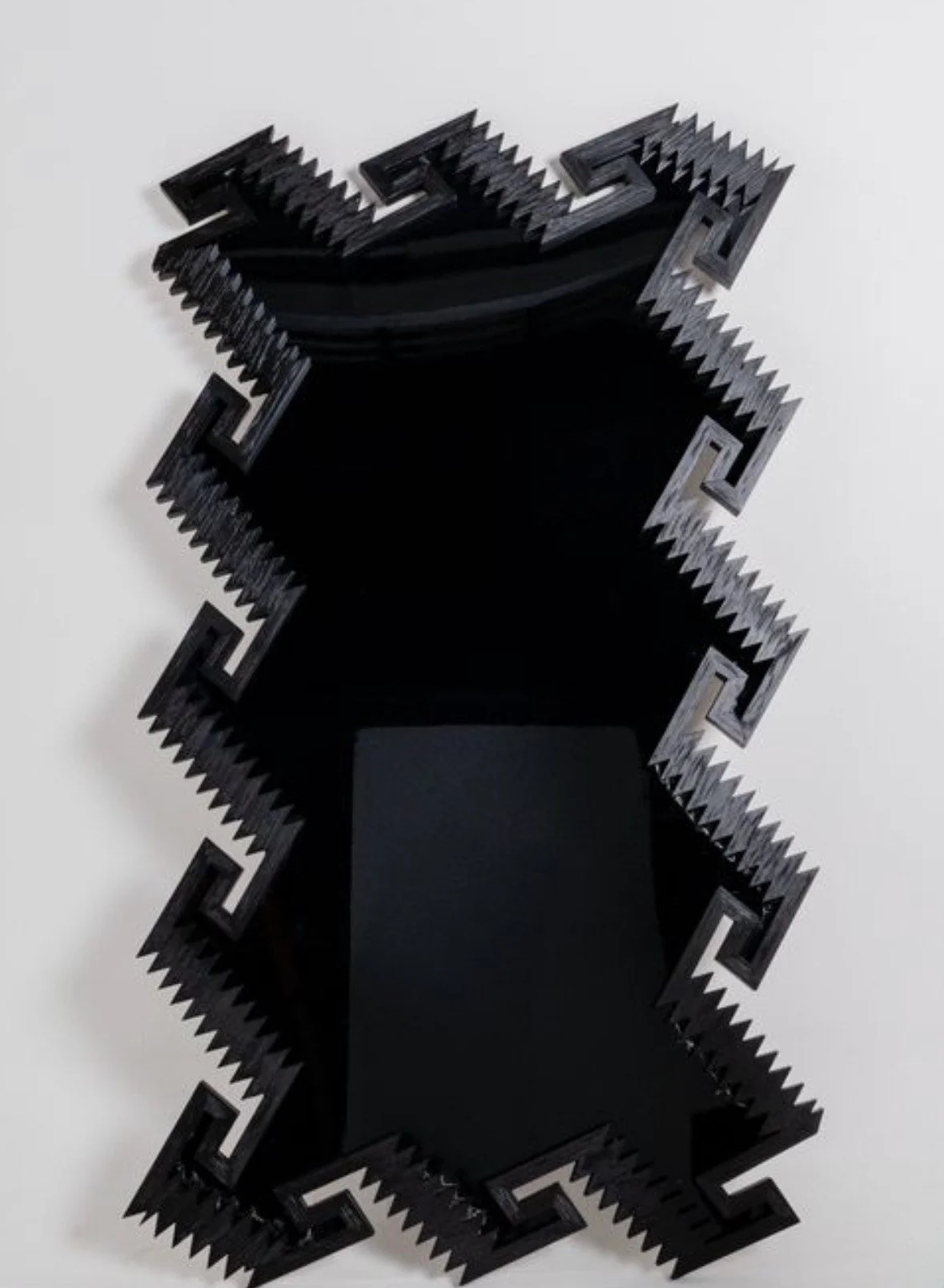
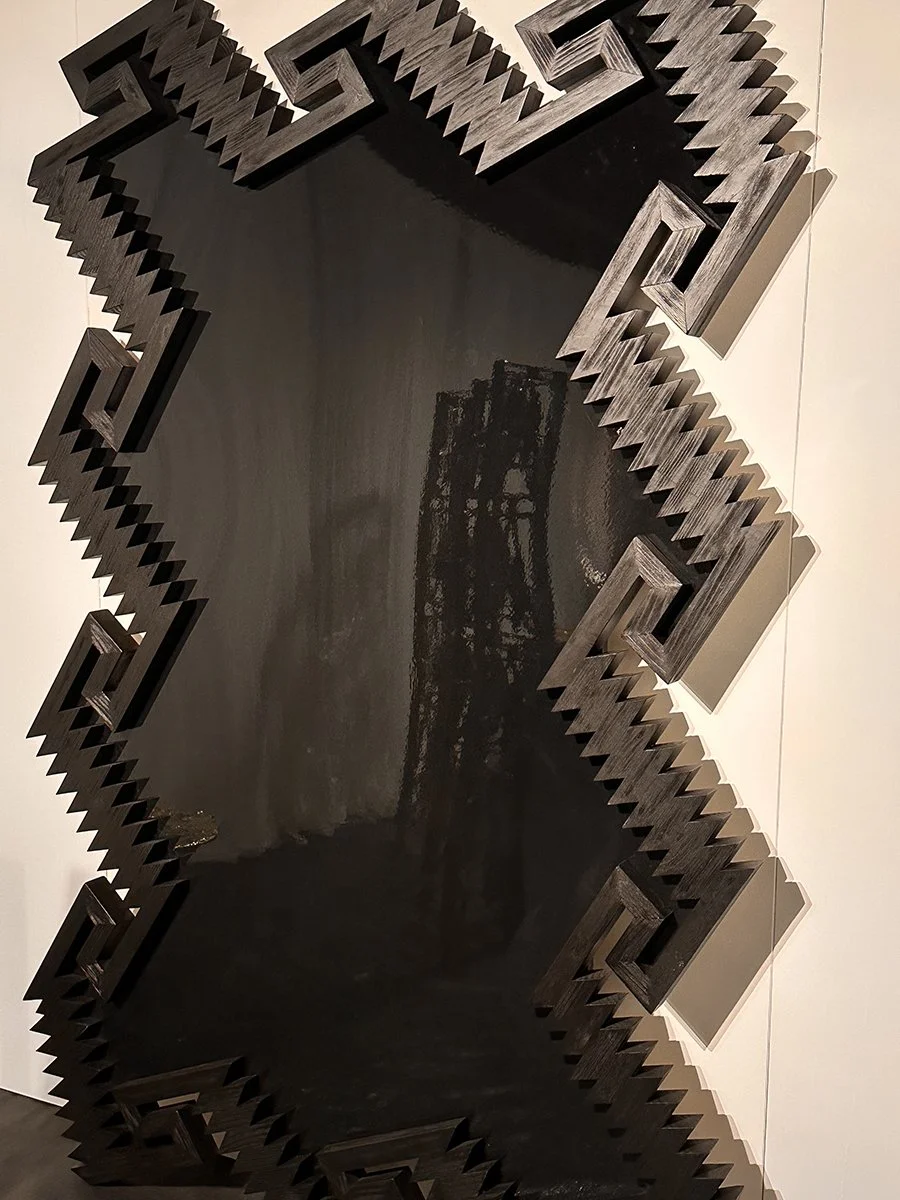
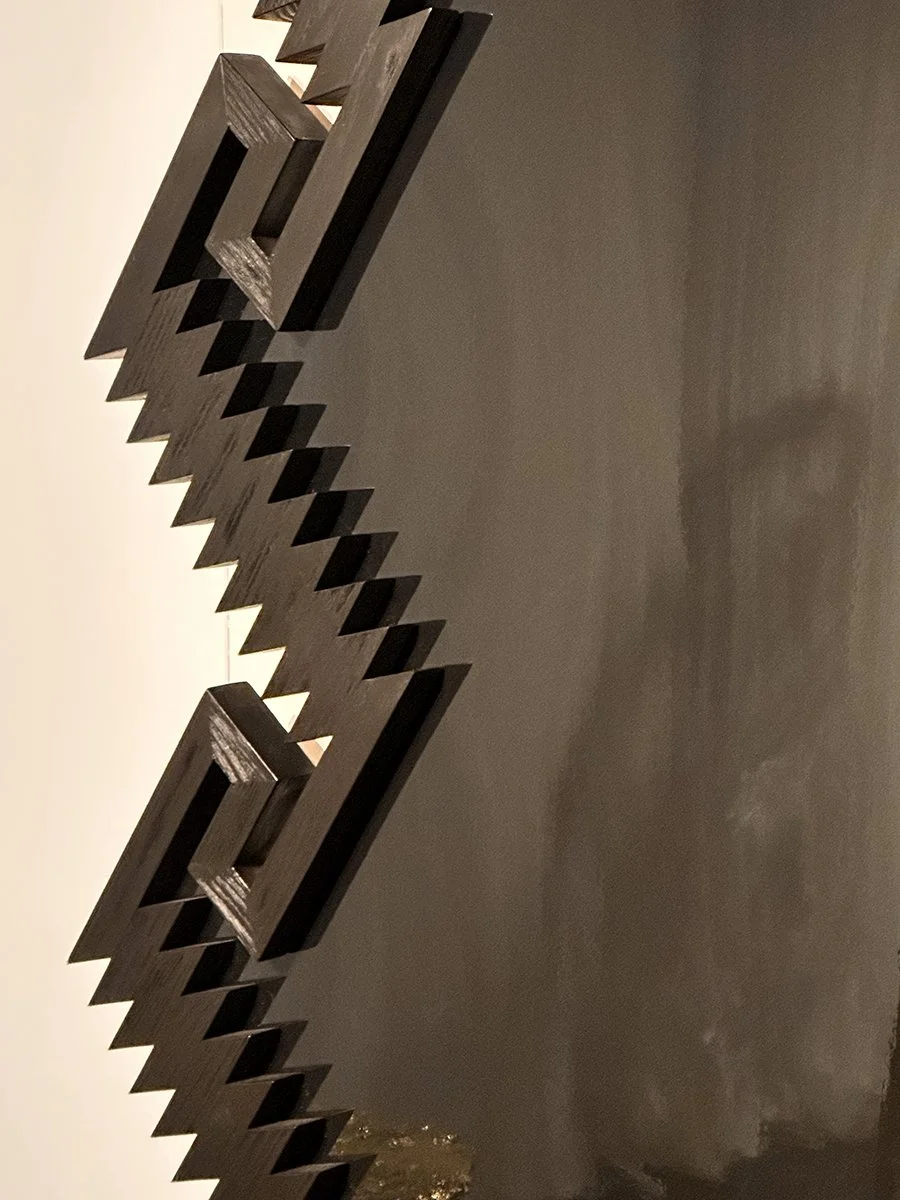
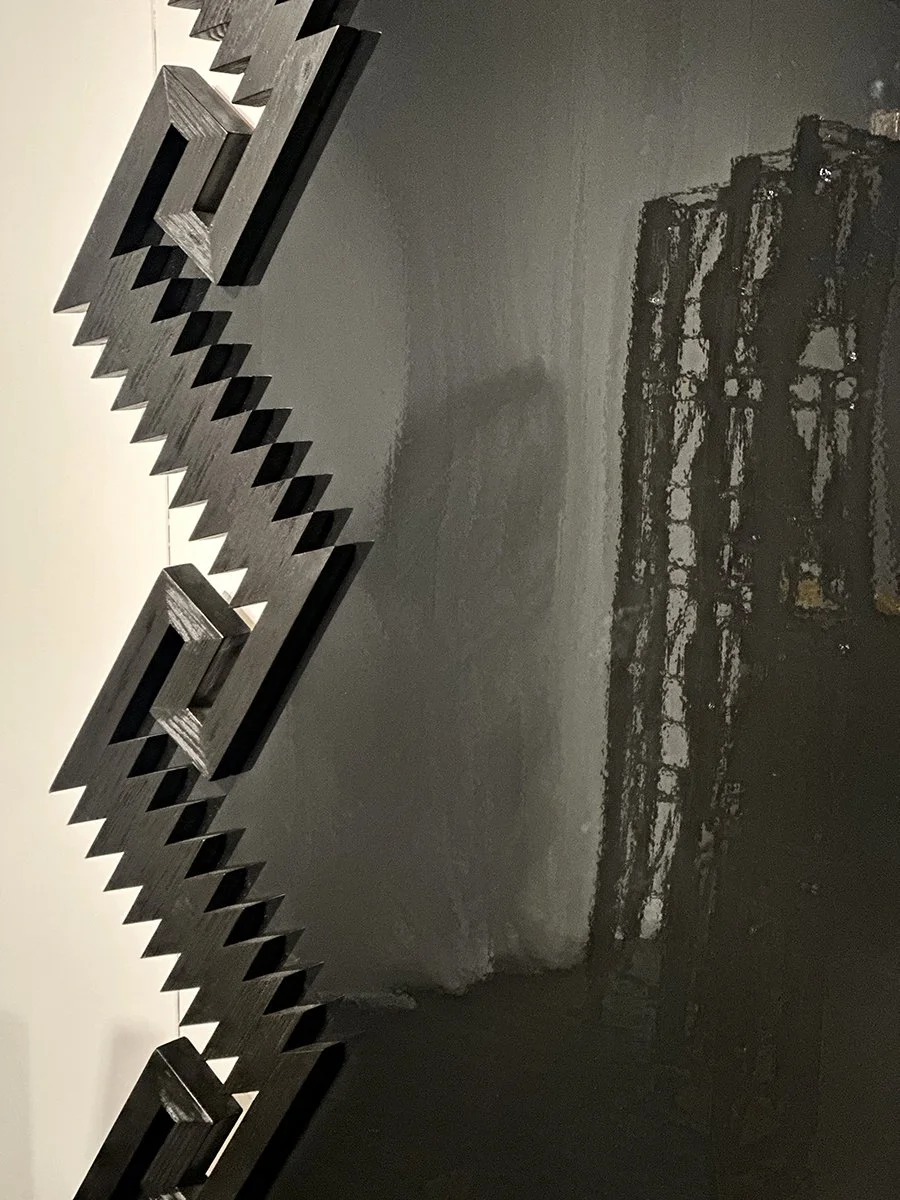
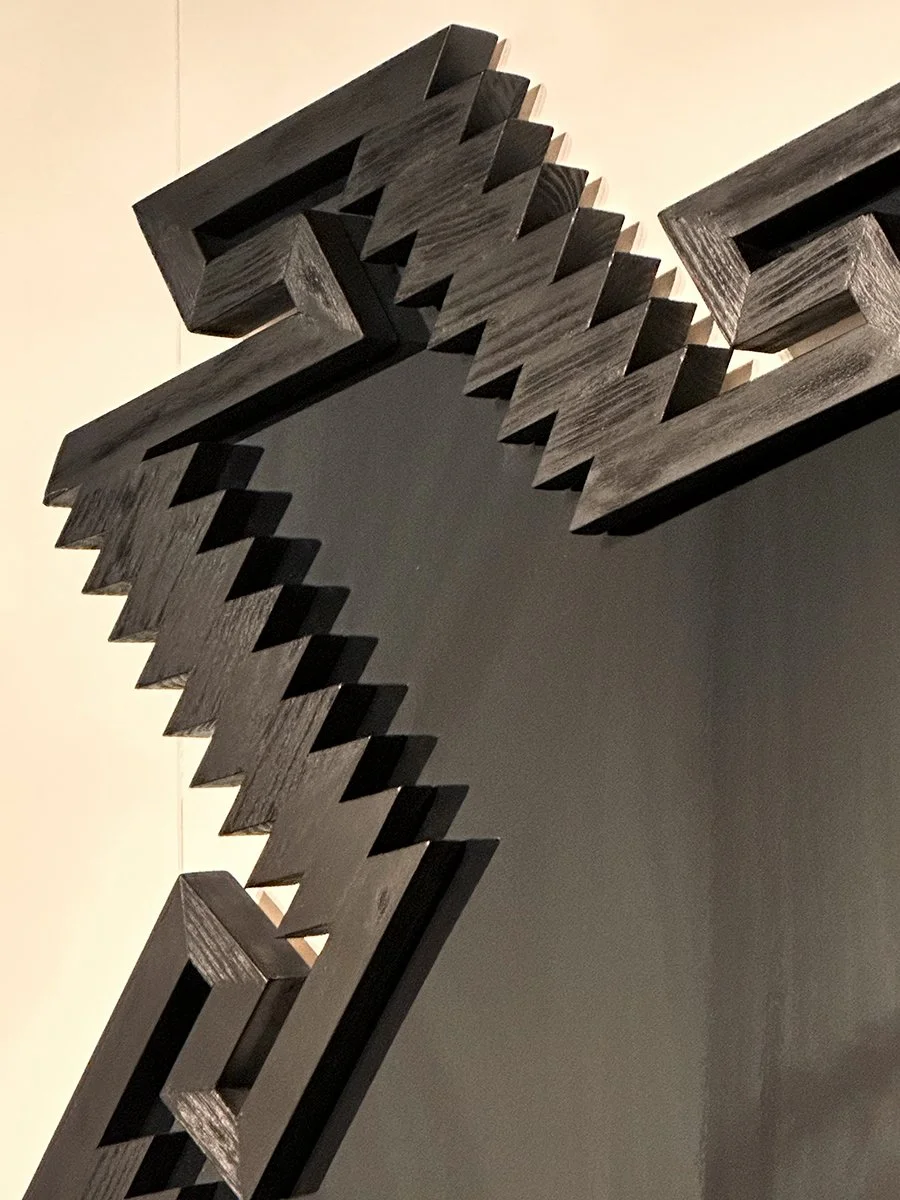
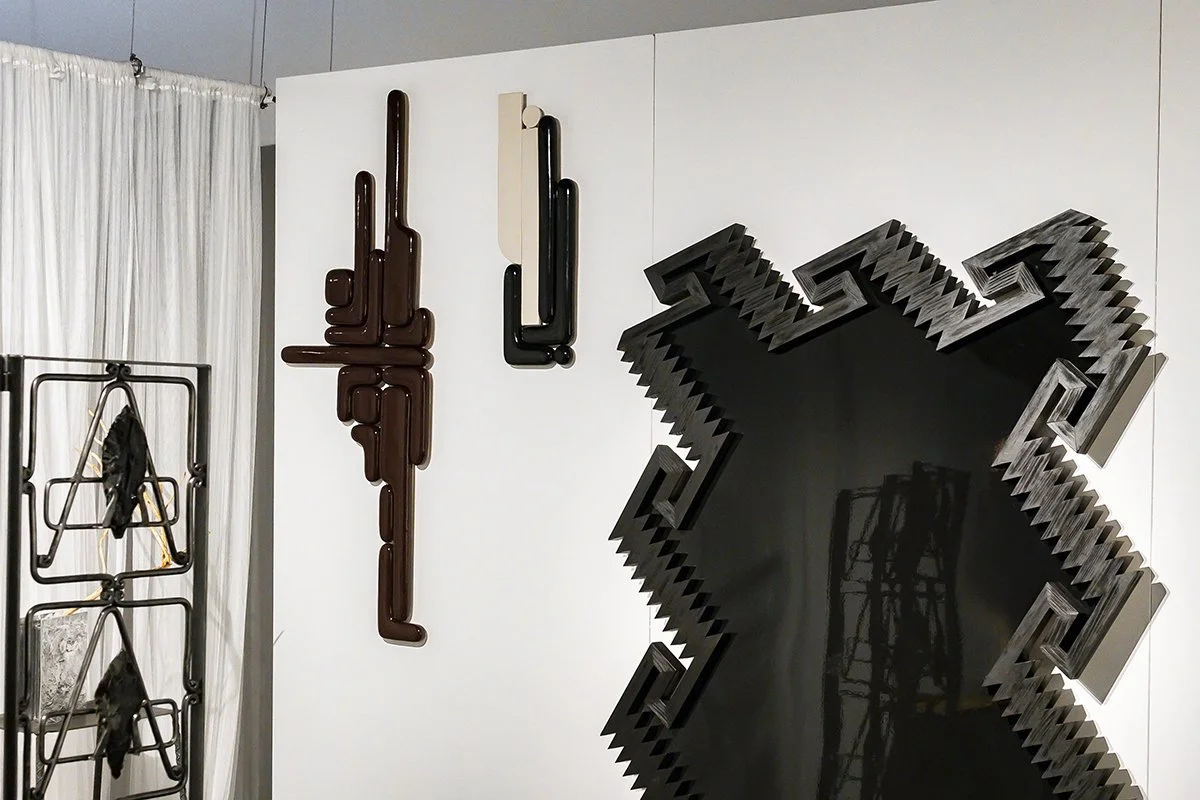
This work is situated within a line of inquiry that articulates contemporary art and design through a critical reexamination of Mesoamerican symbolic systems. Its point of departure is the concept of the Smoking Mirror associated with Tezcatlipoca, understood not as a mythological gure to be illustrated, but as a conceptual principle linked to vision, opacity, and confrontation with instability. The mirror, rather than oering a clear reection, fragments and obscures perception, activating a space of ambiguity and critical reection. The incorporation of the stepped fret (greca escalonada) from Mitla, Oaxaca, responds to its structural role within Mesoamerican architectural and ritual thought. Far from functioning as an ornamental motif, the greca operates as a system of visual order associated with transition, continuity, and the articulation of symbolic space. In the work, its modular repetition organizes the formal eld and delineates a central void that functions as a site of tension and concentration. From a material perspective, the piece brings together industrial elements and ancestral symbolic references, situating itself in a hybrid territory between sculptural object and design object. This condition reects a practice oriented toward the creation and materialization of ritual and utilitarian objects, in which function does not negate symbolic meaning but activates it. The work does not seek archaeological restitution or a closed historical narrative, but rather a contemporary reconguration of the sacred motif. In this sense, the piece proposes a recovery of the ritual dimension within contemporary art as a material and critical experience. By translating these symbolic systems into a current formal language, the artist constructs a device that invites a reconsideration of the relationship between form, use, and meaning, reinserting the sacred as an active category within contemporary art and design practices.
USD 10,000, Editon of 10
LUISA RESTREPO - GLASS WORKS
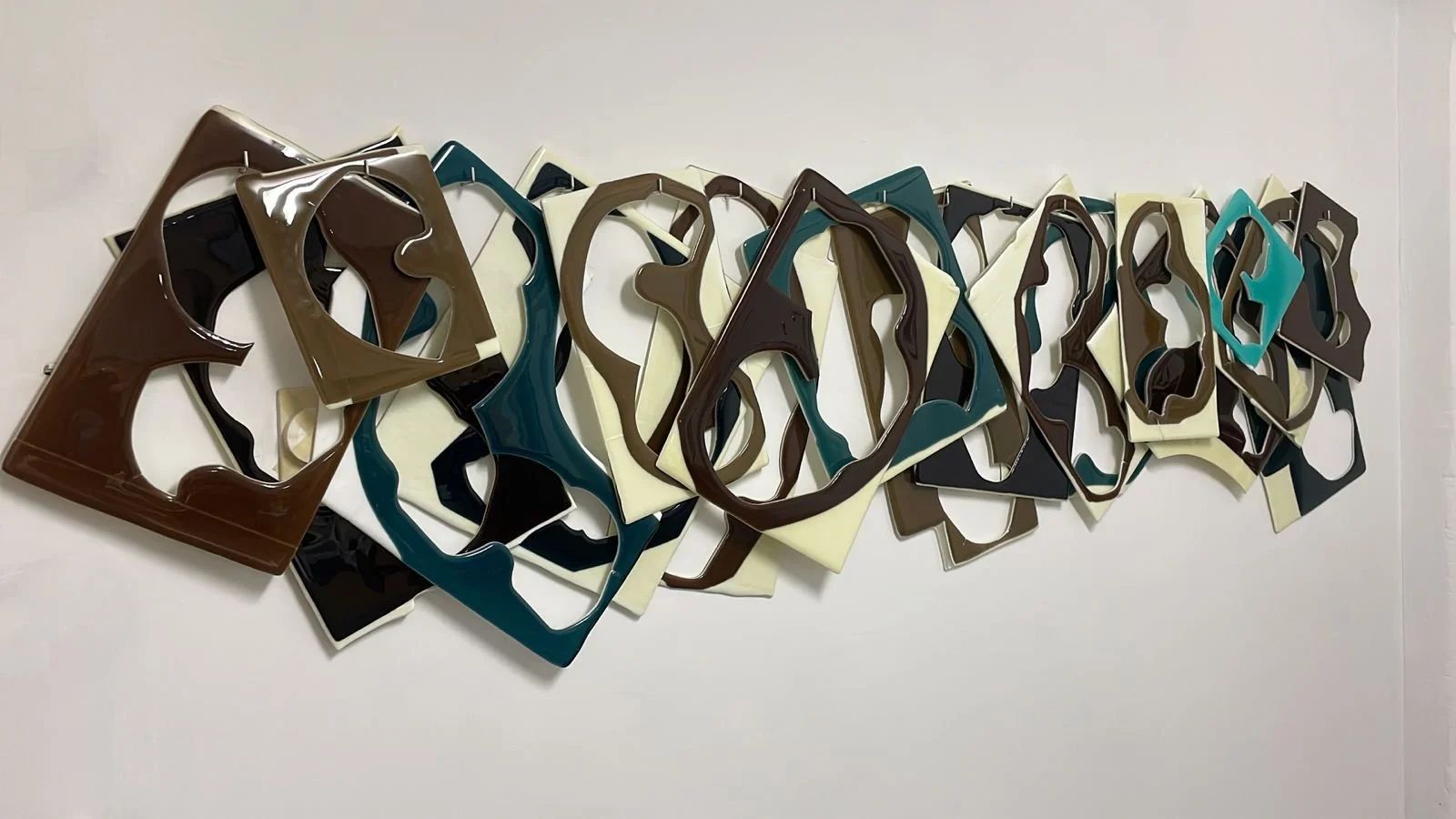
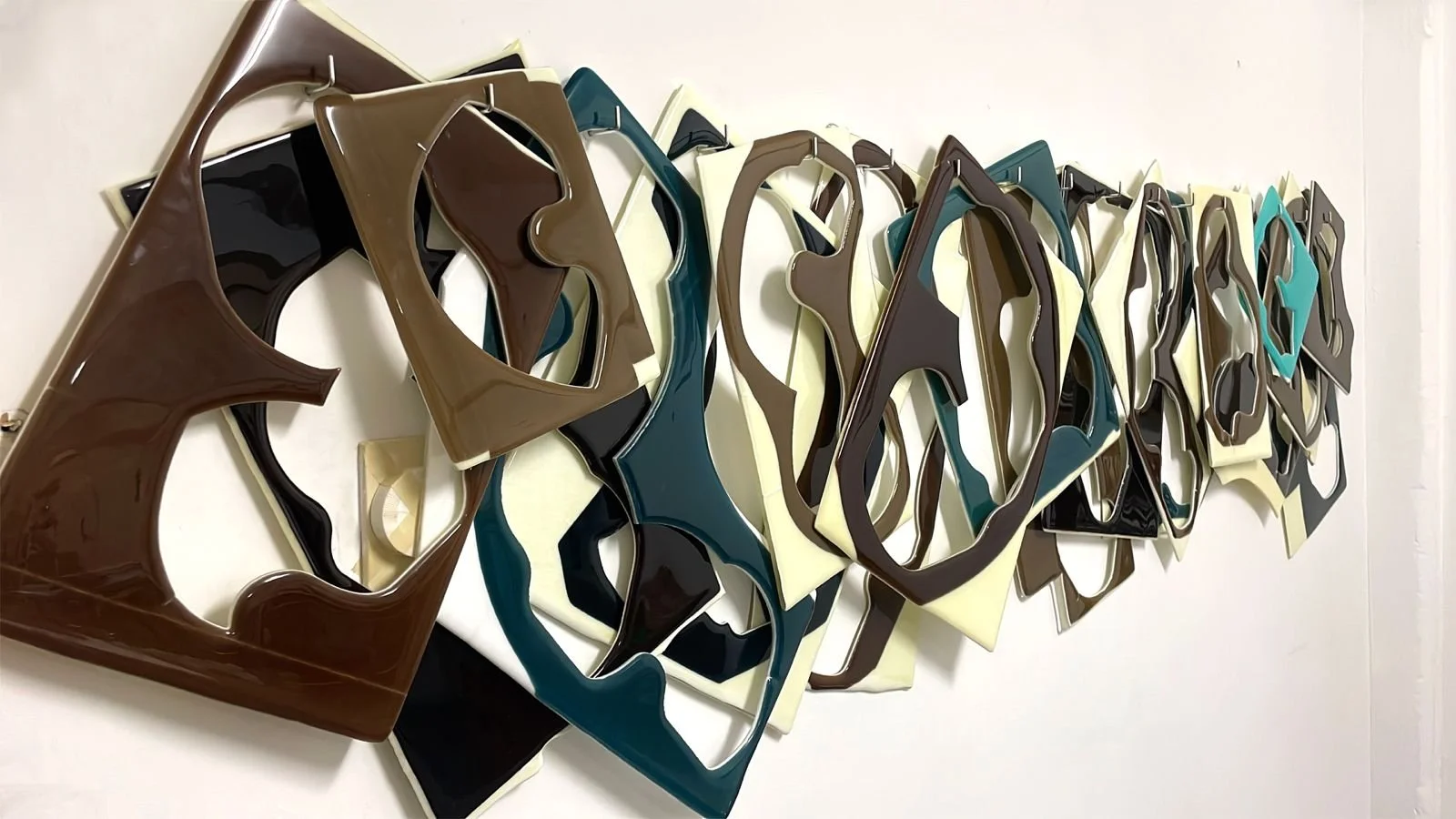
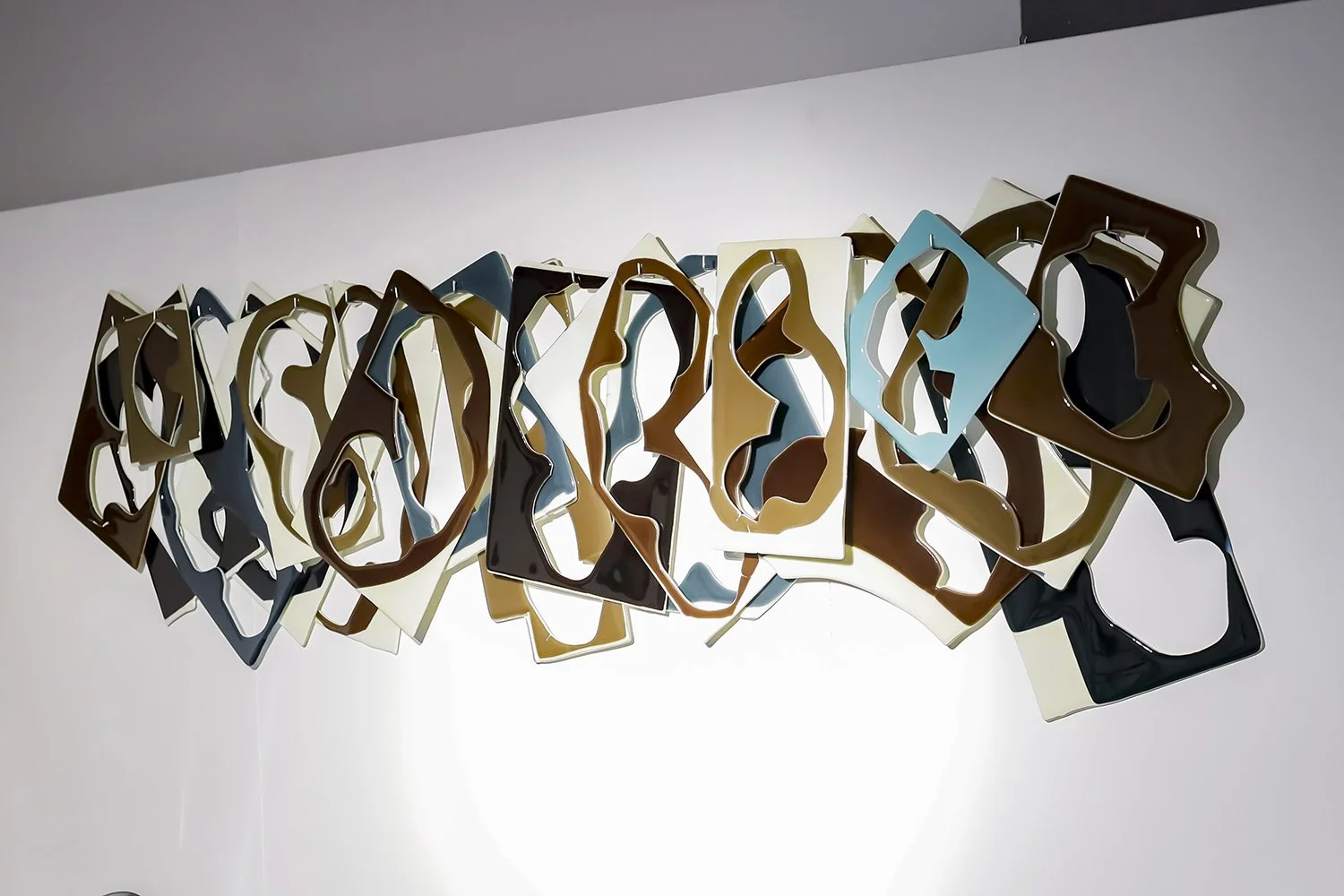
‘SERIADA’ - glass wall Installation
by LUISA RESTREPO, Mexico, 2026
SIZE: 72 x 242 x 5 cm
MATERIAL: Fused, water jet cut and sandblasted glass
UNIQUE PIECE
SERIADA, is a new wall installation from a recent body of work, made of recycled glass, repurposed from the remnants of another artwork creation by Columbian-Mexican glass artist Luisa Restrepo. She transformes these discarded leftovers into a beautiful piece, giving new life to what was once considered waste.
By lifting debris from past into future possibilities, the work is a journey through memory and material development, in a parallel story, that connects the act of making the first (principal) piece with the surprise and wonder of another artwork emerging.
NEWS: THE PIECE ‘CUMULARIA’ was acquired by the Chrysler Museum of Art in 2025
ALSO AVAILBALE FROM THIS SERIES


‘RETALES - 3.6K / 3.1K / 4.7K’
by LUISA RESTREPO, Mexico 2024
SIZE: 70 x 160 x 4cm //27.56 in x 62.99 in x 1.57 in
MATERIAL: Fused, water jet cut and sandblasted glass
UNIQUE PIECES

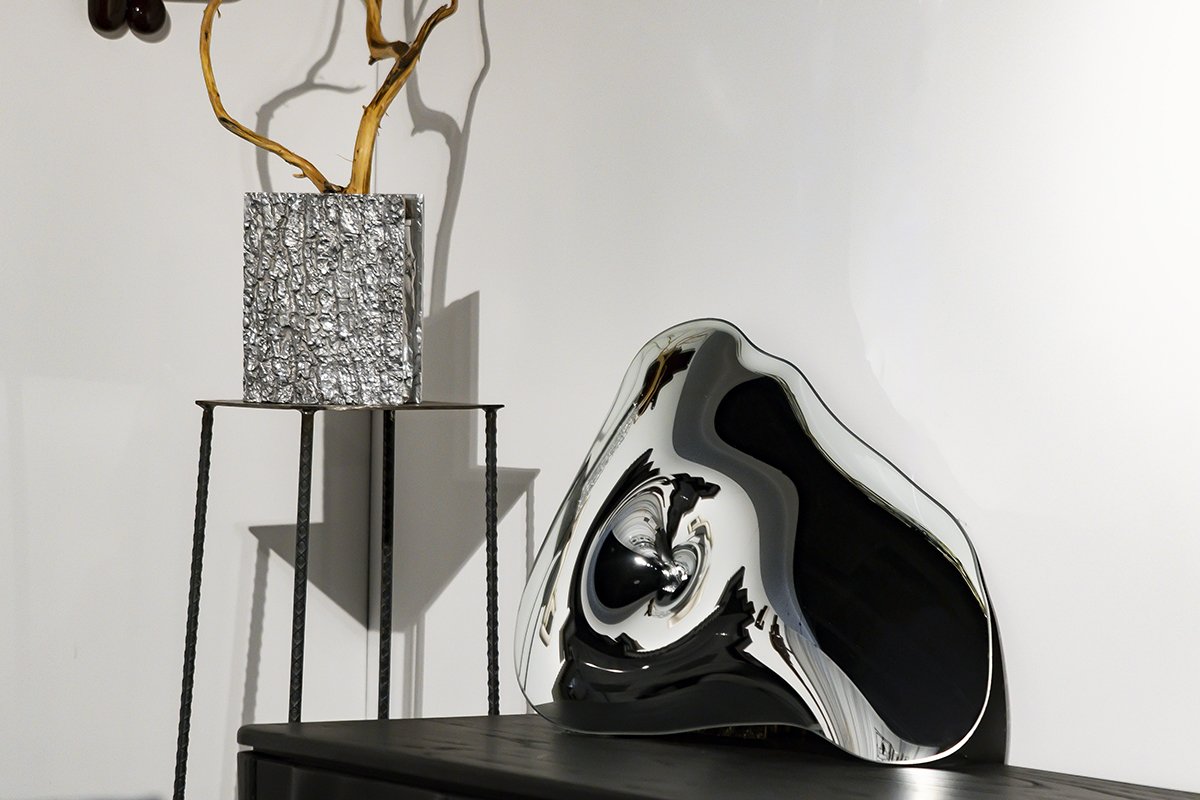
LUISA RESTREPO - GLASS MIRROR / SCULPTURE
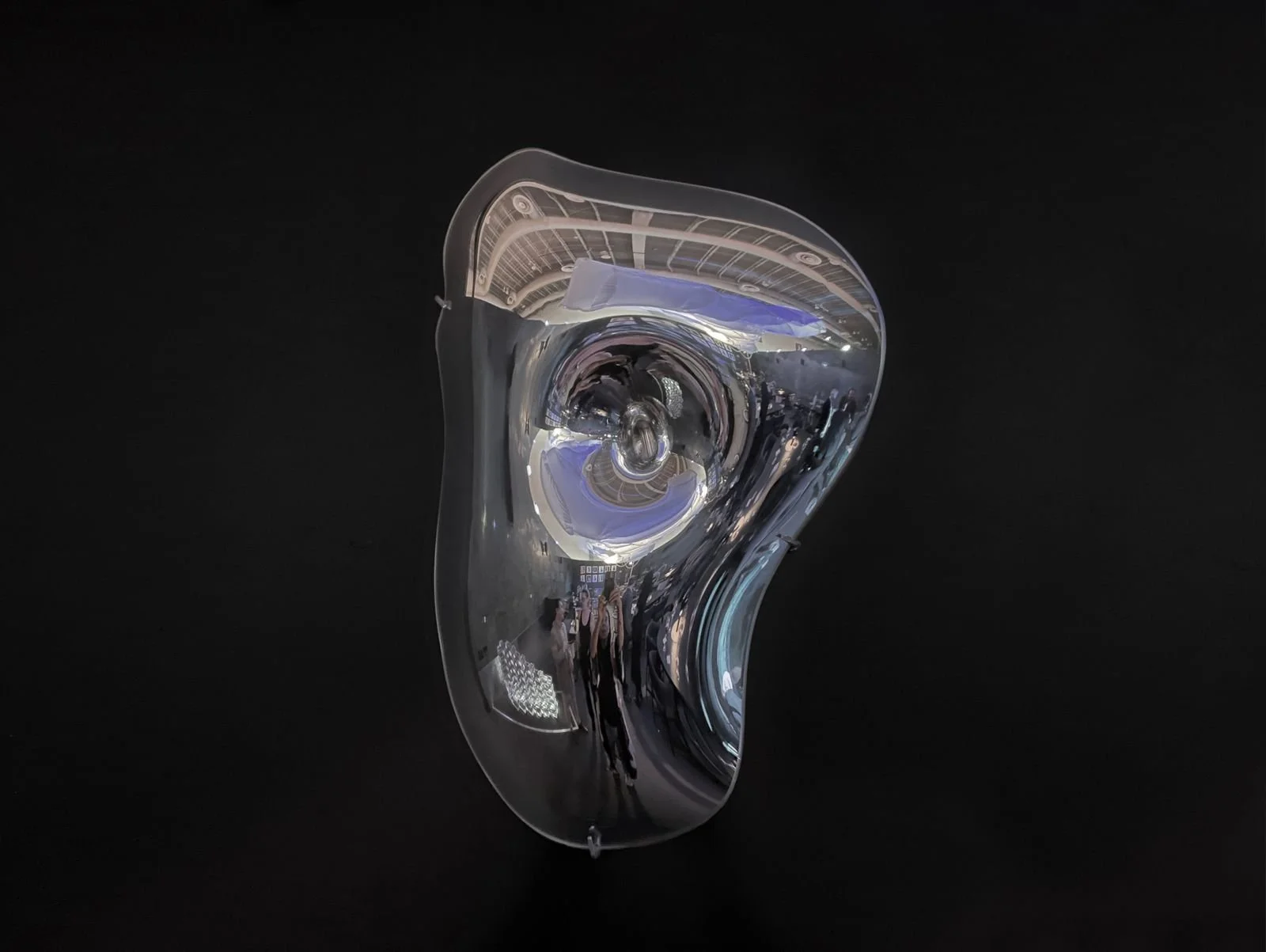
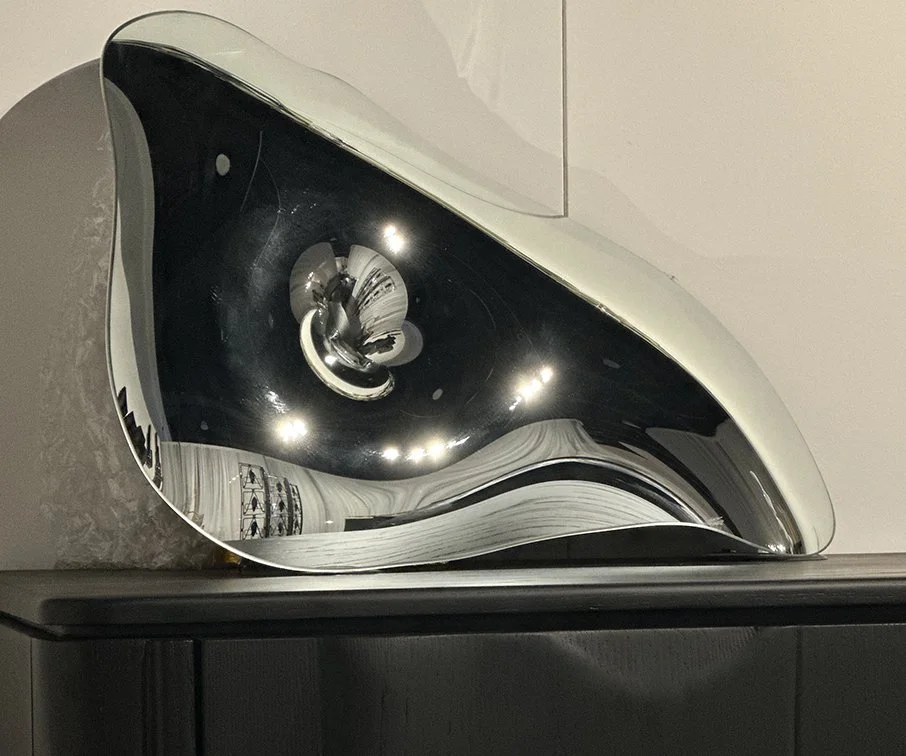
‘BALTRA’, glass wall piece
by Luisa Restrepo
SIZE: 77 x 52 x 12 cm
MATERIAL: Slumped and silverplated glass
These exquisite wall panels are crafted from slumped, silver-plated glass by Colombian glass artist Luisa Restrepo.
Using the kiln-formed slumping technique, molten glass is shaped over custom molds at high temperatures, resulting in fluid, sculptural surfaces that play with light and reflection.
A stunning decorative glass artwork.
Miguel Ángel Carrera, CREDENZA
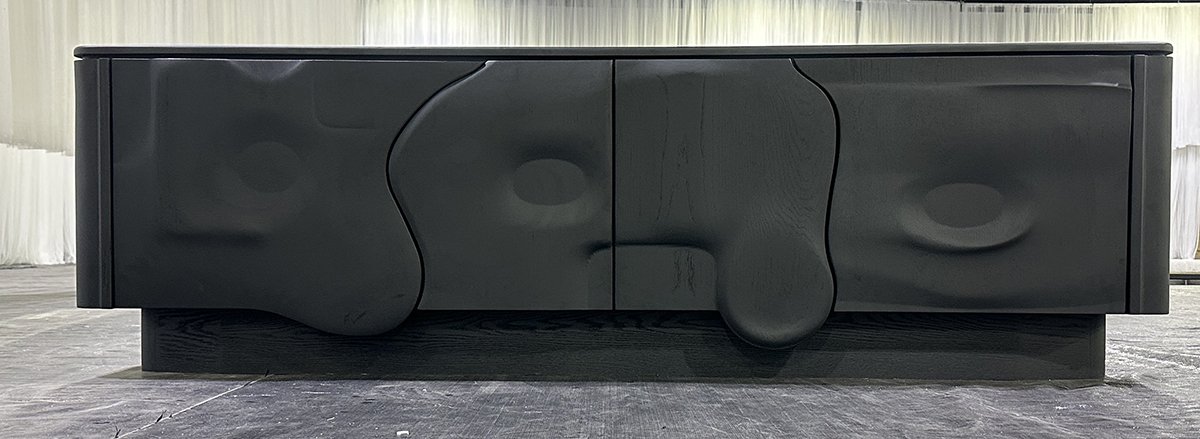
DUNES - credenza - cabinet: SIZE: 230 x 70 x 50 | MATERIAL: solid oak
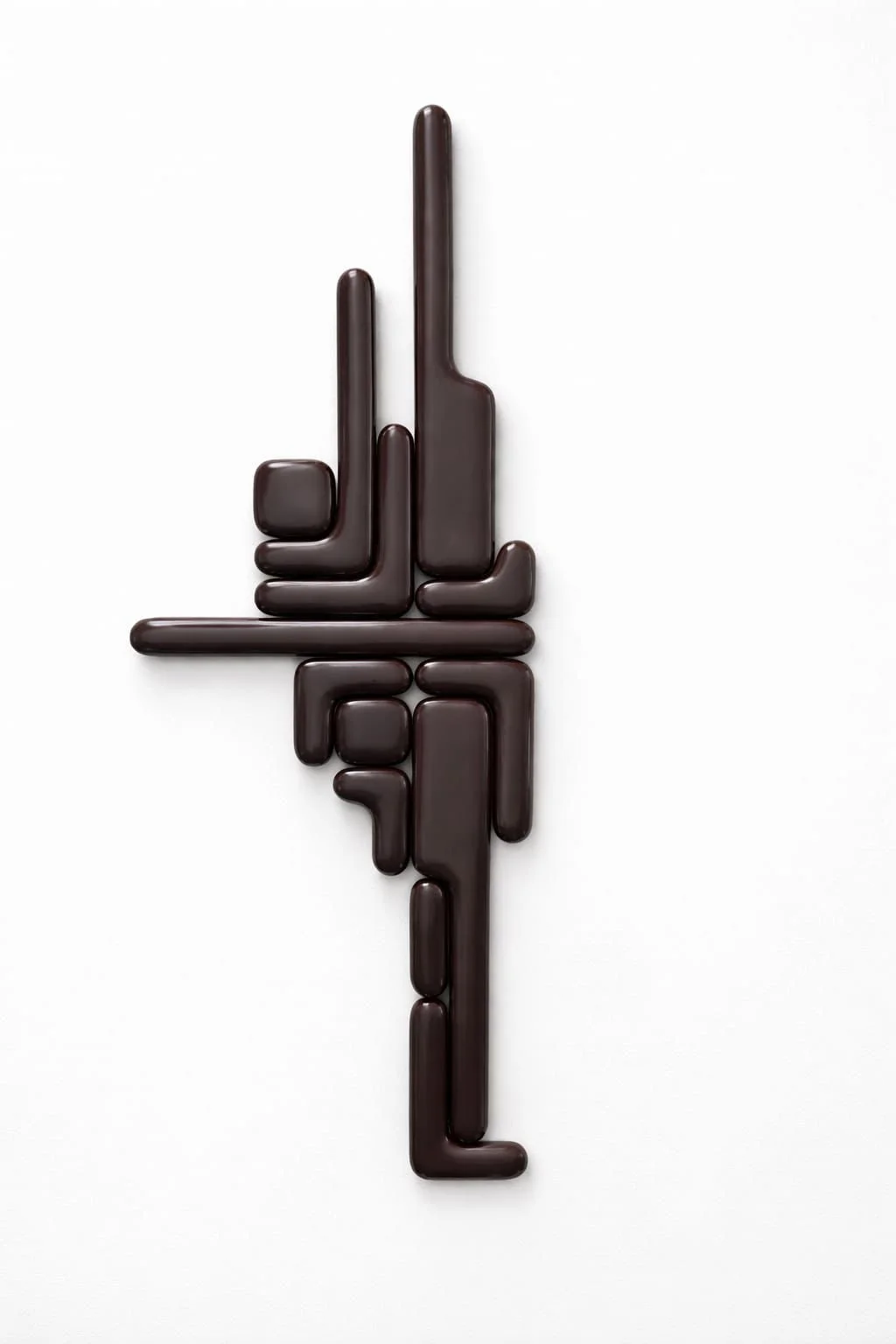
Miguel Ángel Carrera, WALL CERAMICS
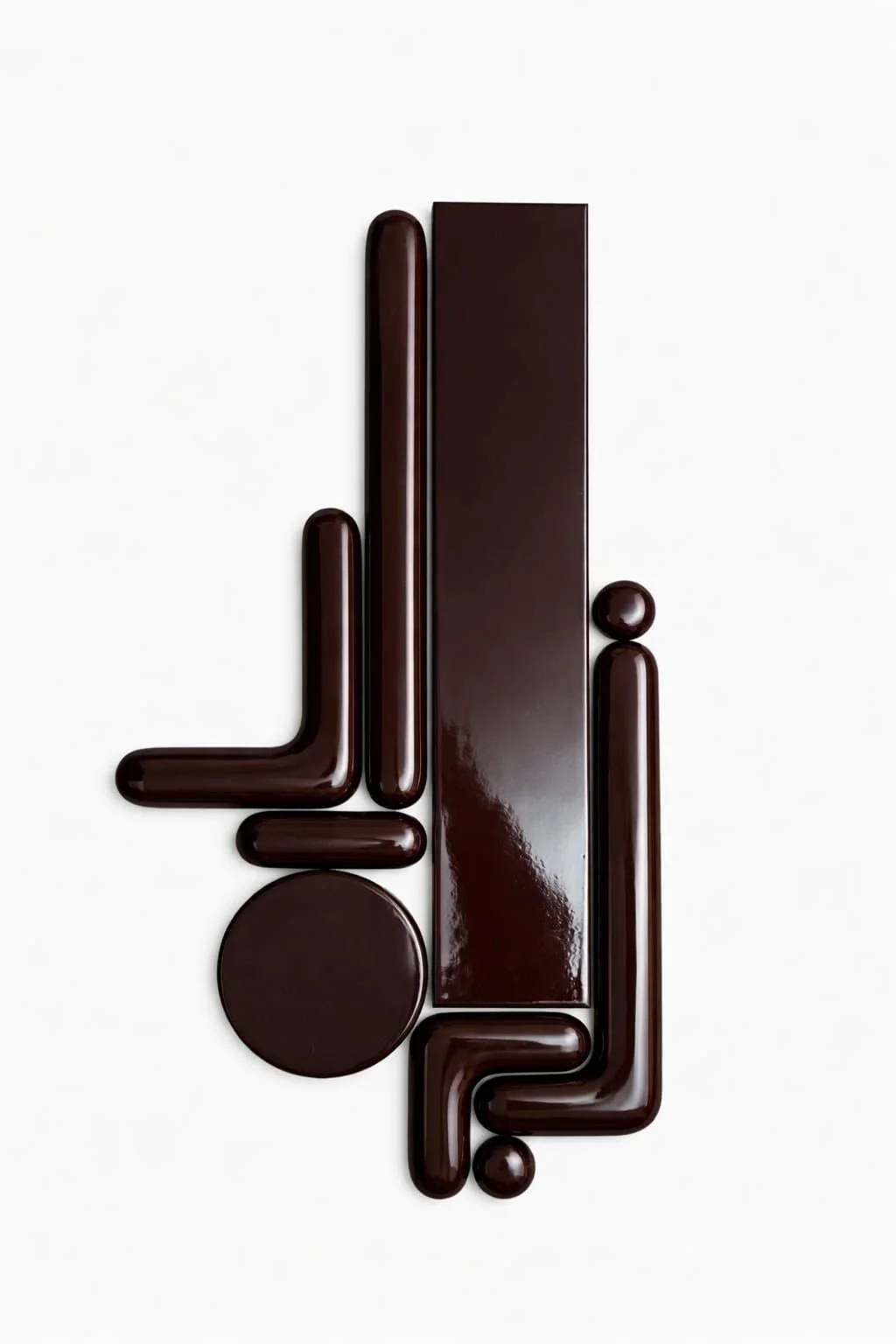
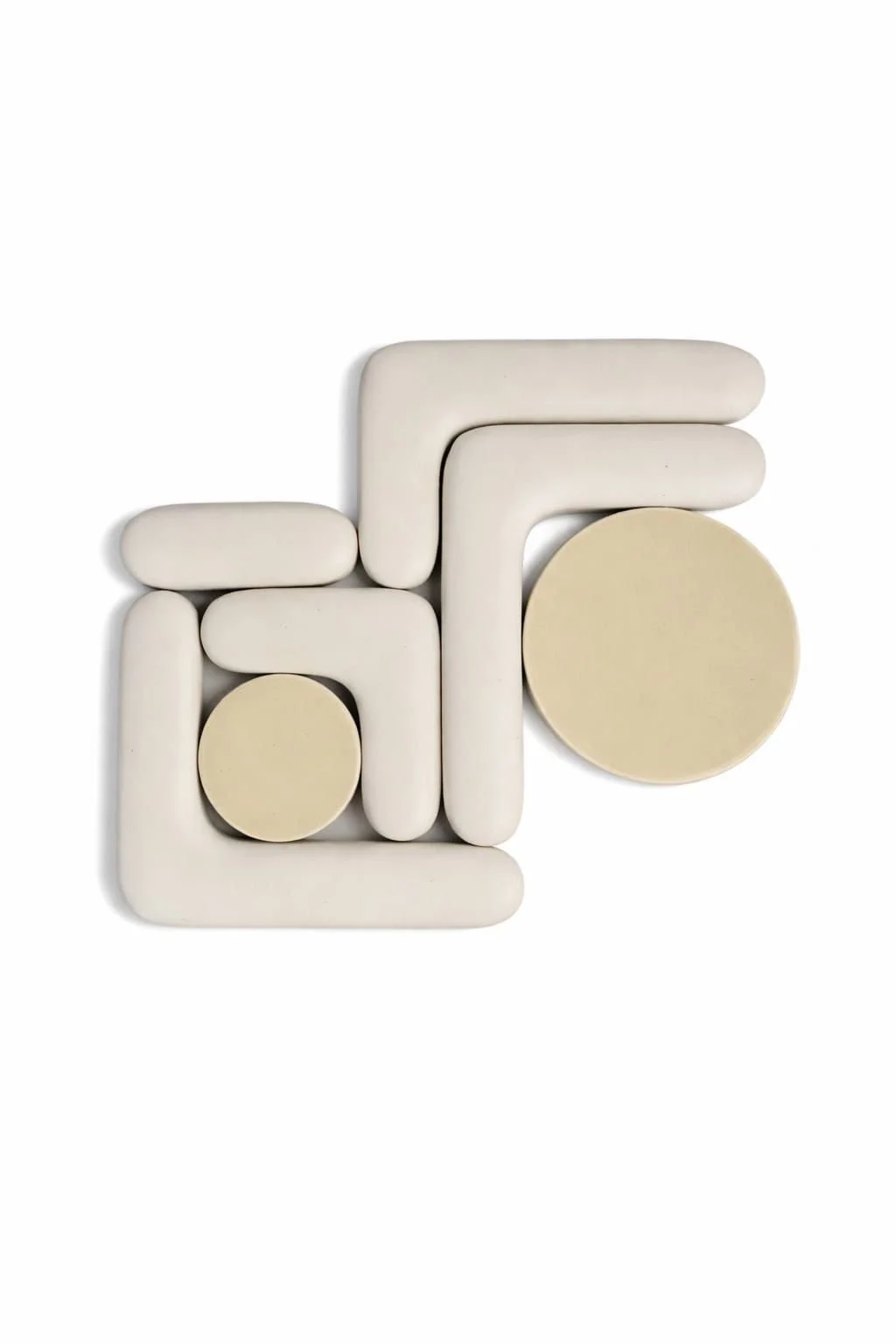
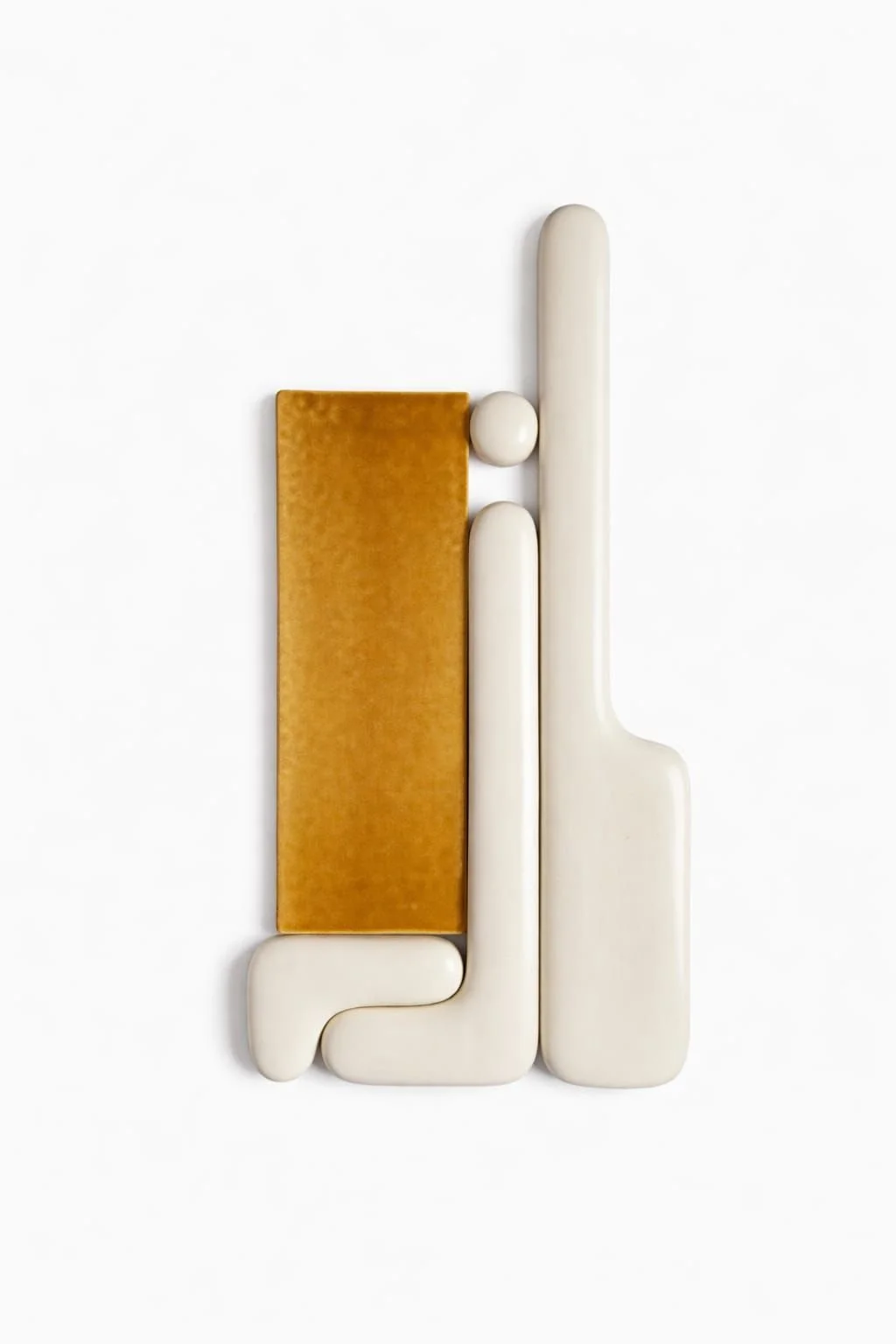
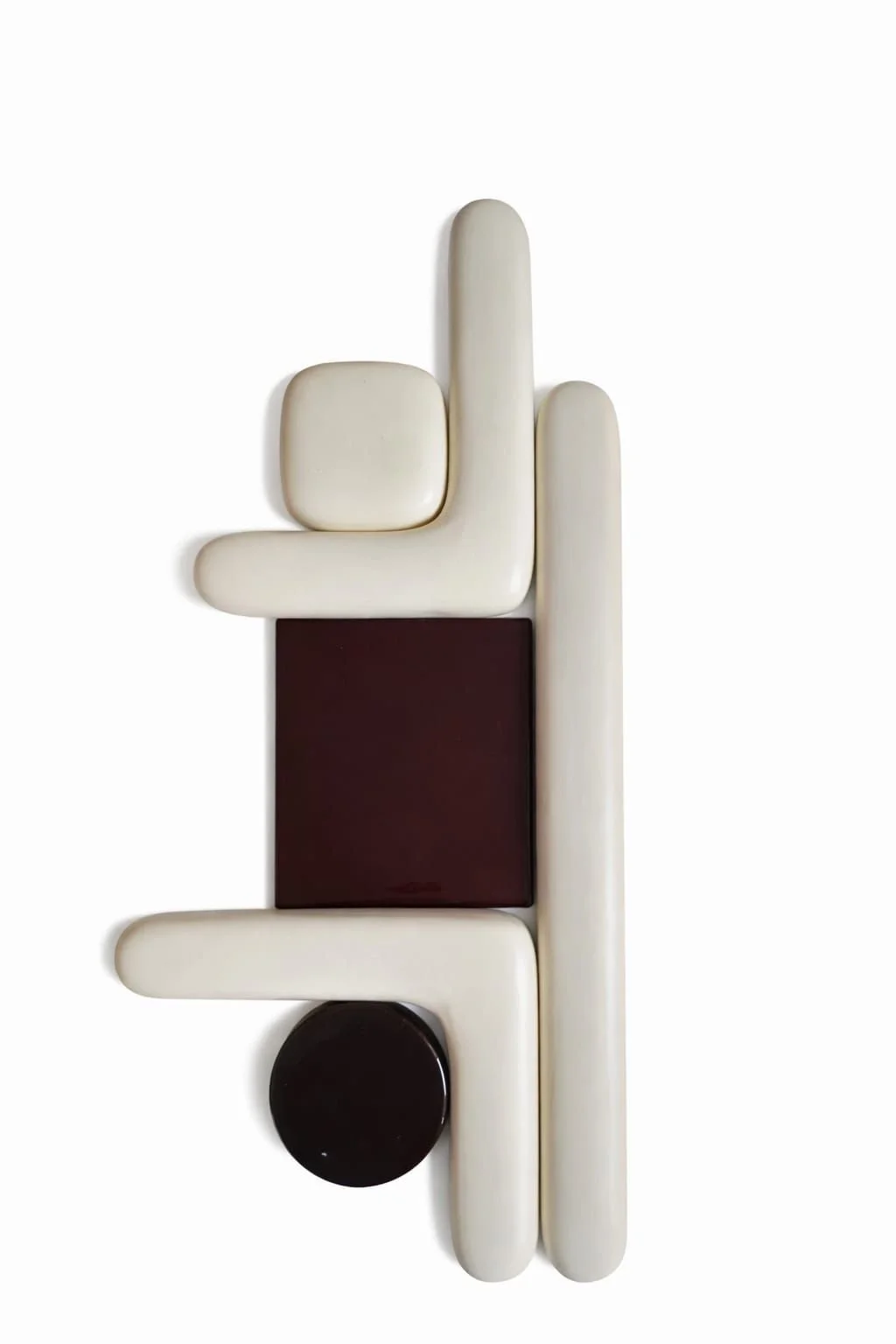
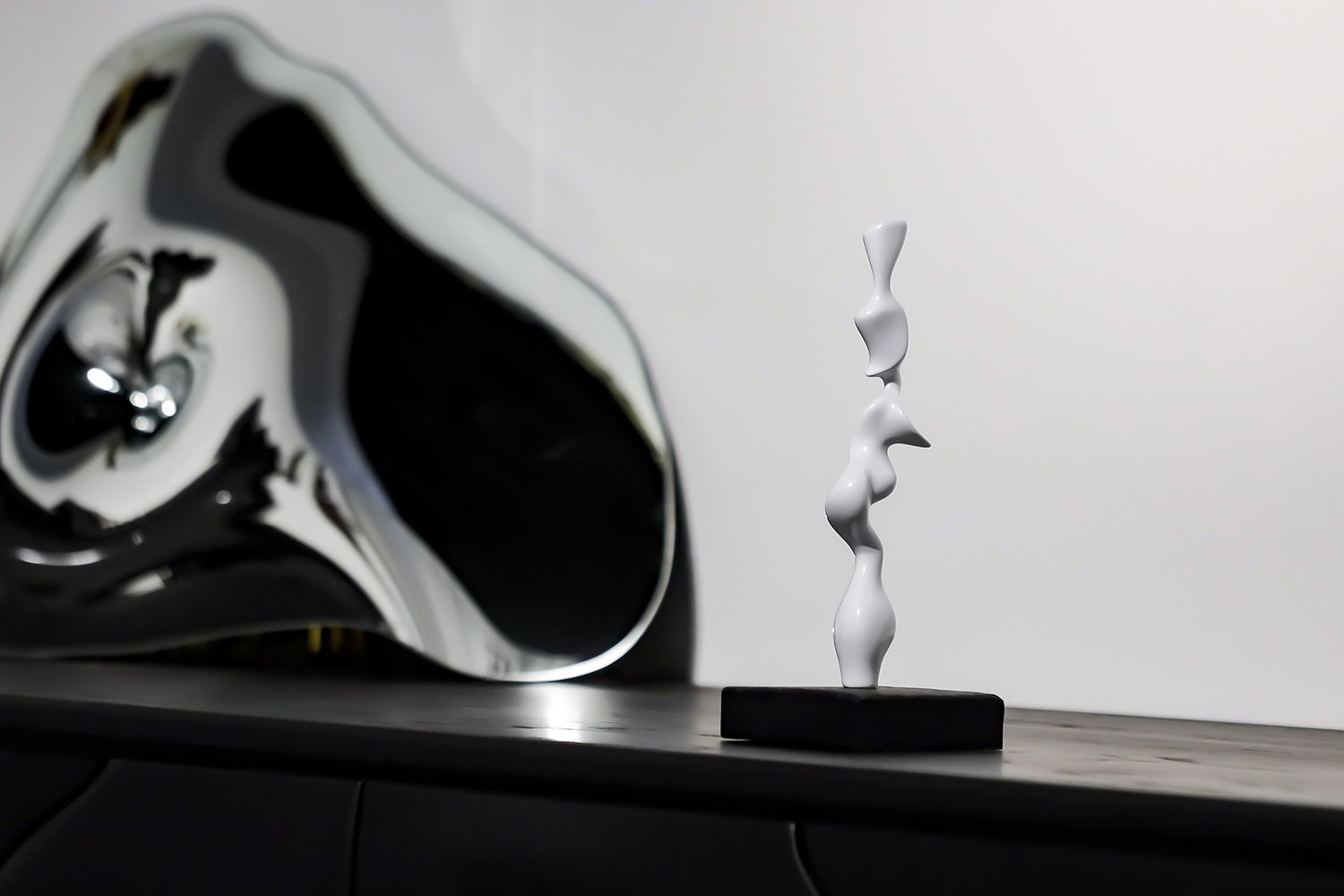
MISCHA MILOVANOVICH, SCULPTURE
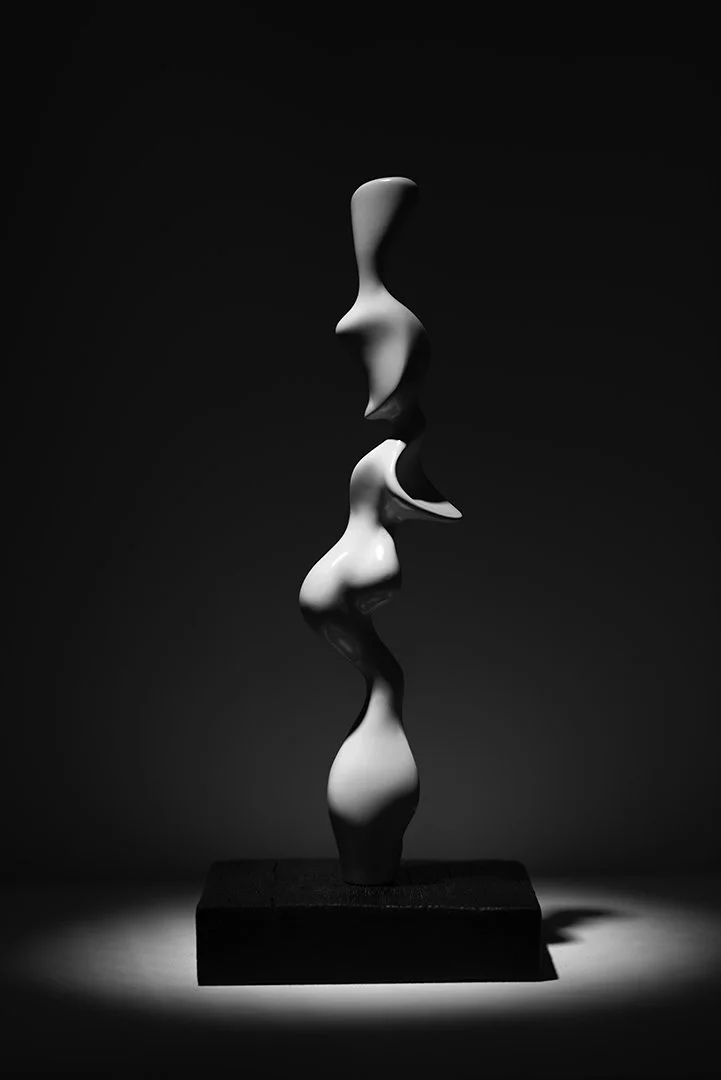
RA (BLANC)
by MISHA MILOVANOVICH, 2024
SIZE:
MATERIAL: Resin finished in cellulose paint and shou sugi ban plinth (burnt wood)
EDITION: AP - Unique
In Misha Milovanovich’s series, “Toka, Iwi, Peka, Ra” — a title that leans into the Maori lexicon, translating into English as Rock, Bone, Twig, and Sun
— we witness a discernible shift in her artistic trajectory. This shift is not merely a change in medium or method but represents a profound re-engagement with the physical world that underpins and overarches the theoretical framework of her practice. Here, Milovanovich ventures beyond the insular confines of the studio, embarking on a tactile exploration of a once-neglected expanse of land. This transition signifies a deliberate blurring of boundaries between the act of creation and the act of cultivation, positing gardening as a form of artistic expression in itself.
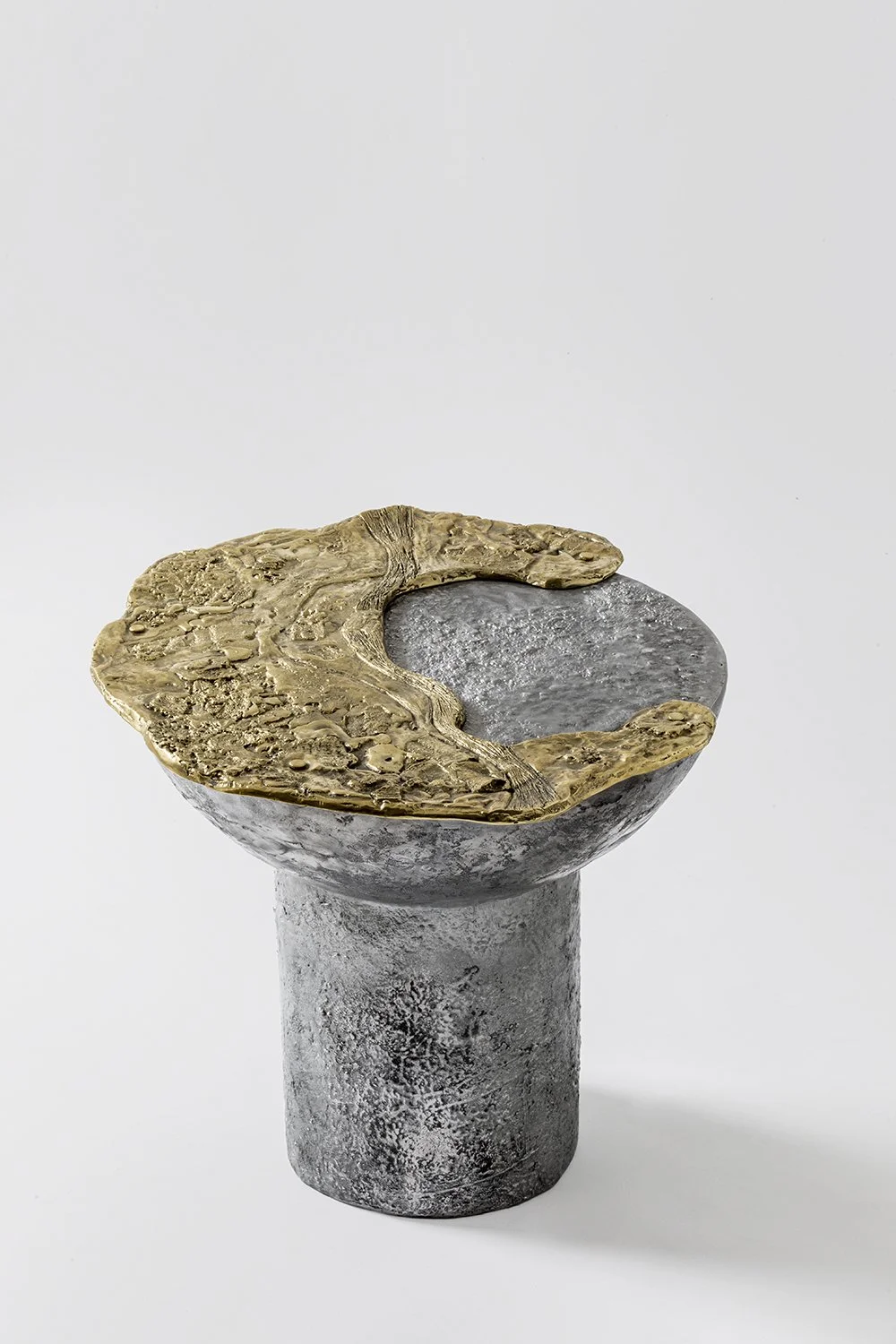
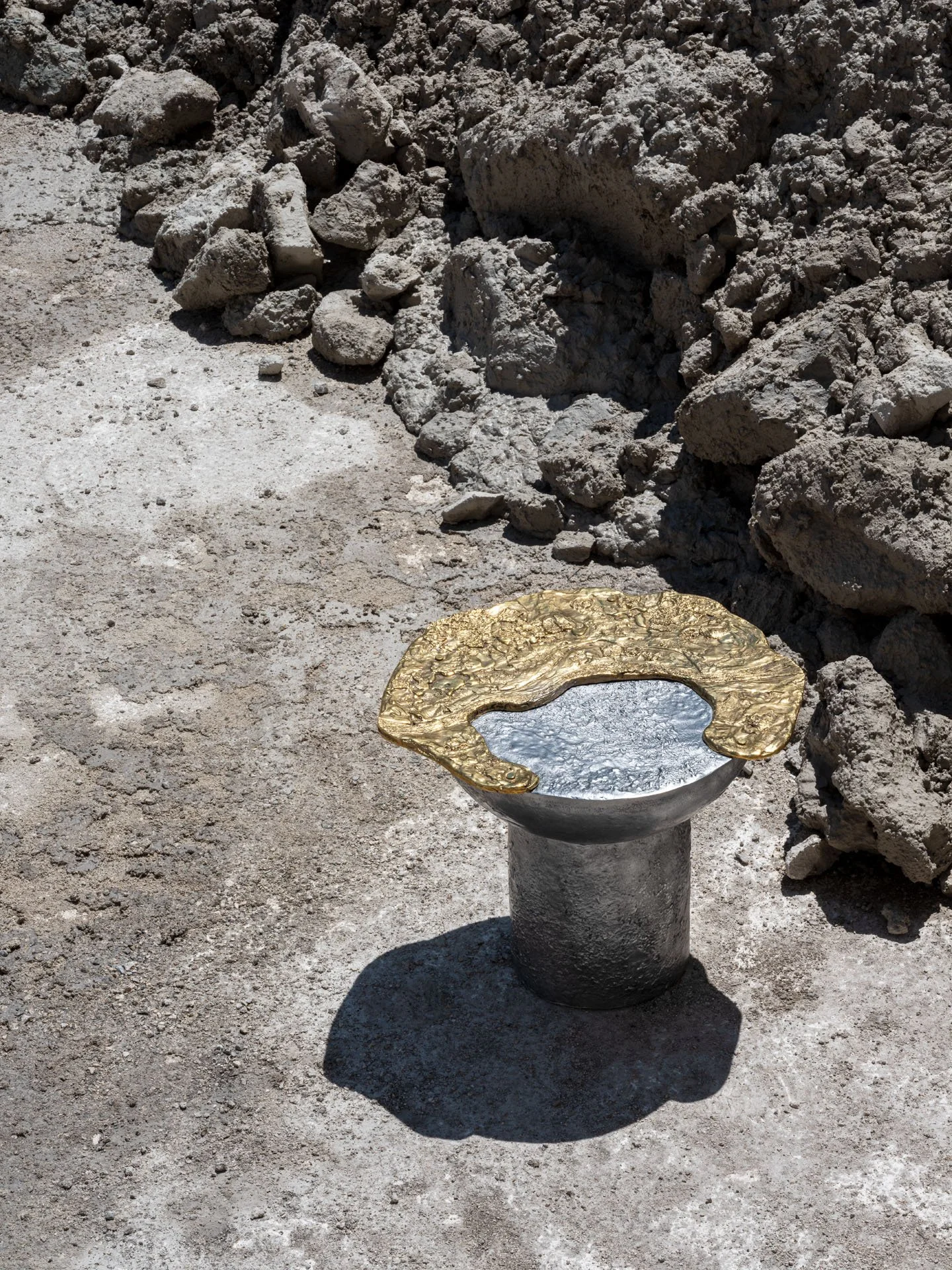
ALESSANDRA PASQUA, MOONCRATER TABLE
SIZE: 44 x 61 x 61 cm // 17.32" x 24.01" x 24.01"
MATERIAL: Lost wax cast aluminium (80% recycled) and bronze
EDITION: open numbered edition, signed

ALESSANDRA PASQUA, MOONWALK VASES
SIZE: 19.5 x 7 x H: 25 // 7.67” x 2.75” x H: 9.84”
MATERIAL: MW01 & MW02 - Cast aluminium (80% recycled) / MW 03 - MW06 - Cast bronze
EDITION: open numbered edition, signed

Aluminium version

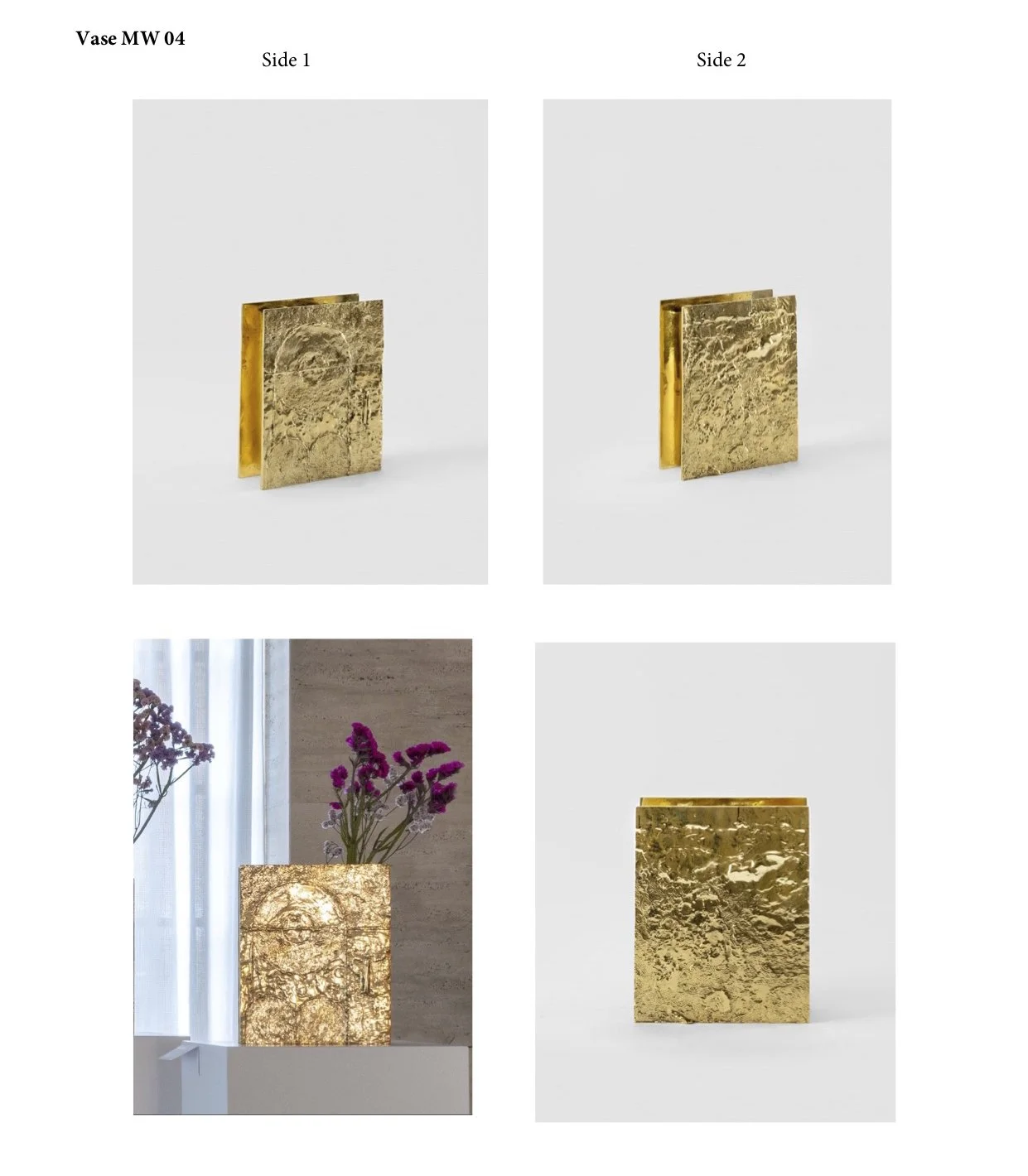
BRONZE version

A BIG THANK YOU TO MORGAN MORRIS, founder Unique Design X fair, and all the artists presenting with us
REVIEW - OUR FAIR BOOTH AT UNIQUE FAIR - 2025
VIDEOGRAPHY: by DAVID CRUZ